Ritual, The Wicker Man and The Loathsome Lambton Worm

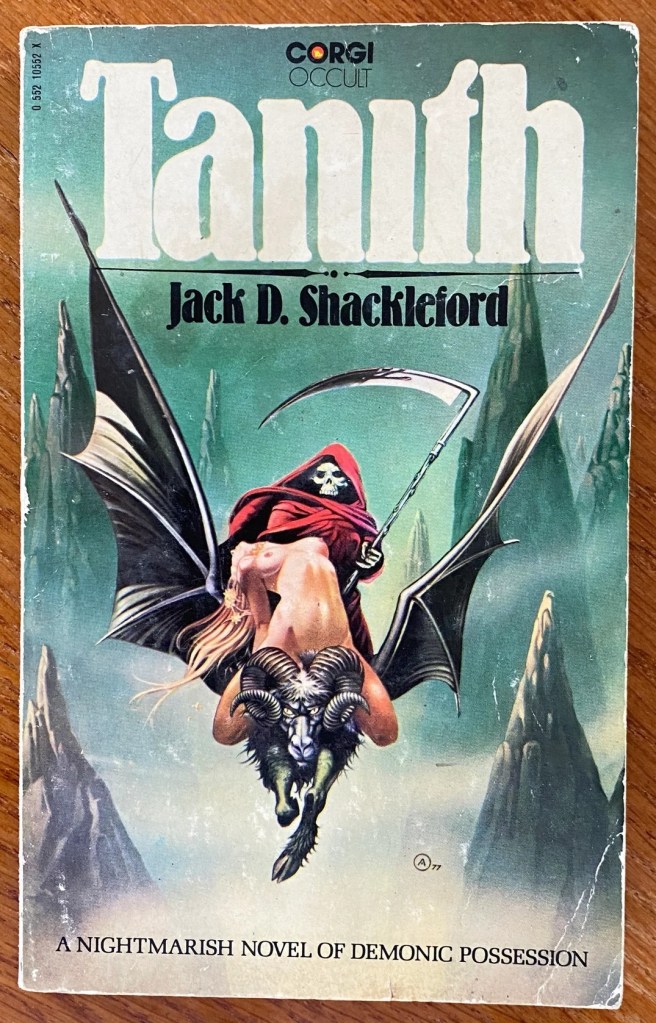
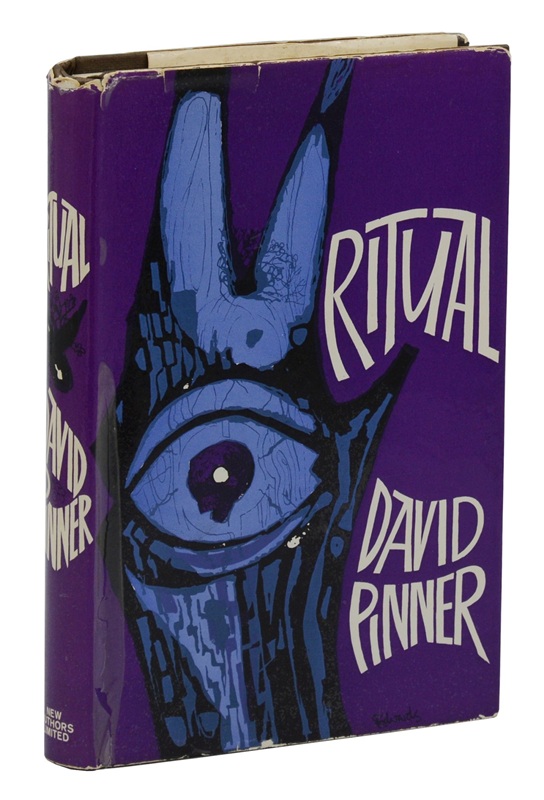
I bought The Wicker Man on DVD about 20 years ago. I can’t have watched it more than twice, but the ending of the film has stuck with me since. I was looking for a book to read recently when I came across David Pinner’s The Ritual, the novel that inspired The Wicker Man.

Ritual – David Pinner

New Authors – 19967


From what I have read, it seems as though the movie people bought the rights to Pinner’s novel, but had to change so much of it that he didn’t get mentioned in the credits of the movie. The plot is very similar.

A policeman ends up in  remote village investigating the death of a child. The locals are uncooperative weirdoes and at least some of them practice witchcraft. The memorable scene in the movie where the sergeant humps the wall is taken directly from the book. There’s definitely a similar mood and cast of characters in both Ritual and The Wicker Man, but the ending to the book is quite different and falls far short of the horror of the film. Overall, it’s really more of a mystery featuring elements of the occult than a true horror novel. There’s a little more humour in it too. I quite enjoyed reading it.

The Wicker Man – Robin Hardy and Anthony Shaffer

Crown Publishers – 1978

I was going to post about Ritual last week, but then I read that the novelisation of The Wicker Man was held in high regard, so I decided to read that too. It was published a few years after the movie came out, and it offers a slightly different version of the story. As I mentioned, I’d seen the film before, but aside from the wall humping and the climax, I couldn’t remember too much. I’ve reviewed quite a few novelisations on here before, but I’ve never felt the desire to go back and watch the films after reading the books before. That was not the case here. I finished the book after dinner yesterday and sat down to watch the movie version maybe 20 minutes later.
I wasn’t aware, but there are multiple cuts of the Wickerman out there. I found a version streaming on Kanopy (an awesome library  streaming service) that was significantly longer than the version in Amazon. I watched the director’s cut, and to be honest, it wasn’t great. Some of the scenes are transferred from an old reel that looks like garbage in comparison to most of the film, and none of these scenes add anything of much worth to the story. Apparently there is a longer cut in existence now, but I have no interest in watching it. I reckon the short version is totally fine.

It was interesting watching the director’s cut right after finishing the novelisation though. Some very short scenes included in that cut of the movie are explained more clearly in the book, and there are a few little scenes in the book that weren’t included in the movie at all. Sergeant Howie is given more background, and there are a few extra characters. Overall, I quite enjoyed reading this novelisation. If you like the movie, the book is worth a read. The movie is great too. The director’s cut is bloated, and even the original might be a little slow to get going, but the scene when Howie realises what’s in store for him makes it all worth while. I love it.

The Loathsome Lambton Worm – Anthony Shaffer

While I was researching this post, I discovered that the screenwriter of the film had actually written an outline for a sequel to The Wicker Man with the same cast of characters. Anyone who has seen the movie or read the book will understand why that would be difficult, and the resultant screenplay is actually less coherent than you’d expect. It was called The Loathsome Lambton Worm. The brilliance of The Wicker Man is that it’s a horror movie that doesn’t rely on supernatural scares or gore to horrify. The efficacy of the islanders’ rituals is inconsequential to the plot. The proposed sequel includes decaptitions, magic spells, witches riding around broomsticks and a fire breathing dragon. It also features Sergeant Howie doing things that go against everything the audience has been told about him. The proposed sequel is pure crap, and I am more surprised that anyone ever took the time to write it out than the fact that it wasn’t made. Nobody could read it and think it was a good idea even at a time when the bar for sequels was pretty low. The treatment for this awful sequel was published in the revised edition of Alan Brown’s Inside the Wicker Man. I didn’t bother reading the rest of this book because I a bit sick of The Wicker Man at this point. I might go back and watch the Nicolas Cage version in a few years.

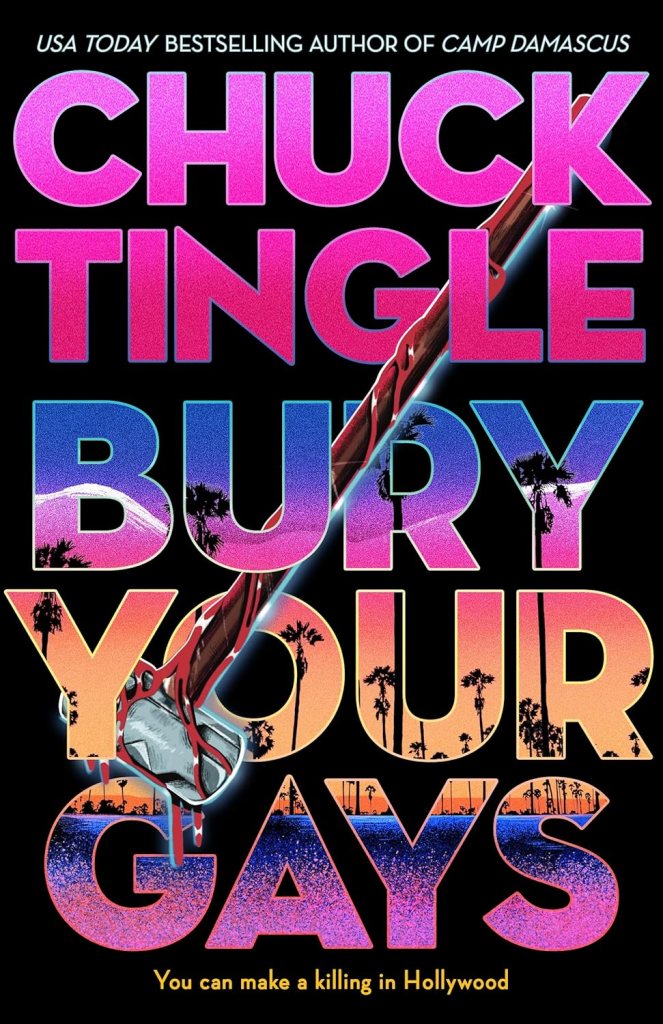
Chuck Tingle’s Bury Your Gays

Tor Nightfire – 2024

The first time I encountered Chuck Tingle was when somebody I followed on twitter posted images of the covers of his earlier books. They had some ludicrous titles (check out his bibliography if you haven’t already seen them), and while I am definitely not beyond reading a book purely because it has a ridiculous title, Tingle’s titles were overt gay porn. I was happy they existed, but content to leave them for their target audience.

Recently, a colleague in work recommended me one of Chuck Tingle’s newer novels. I was a bit taken aback, assuming the title would reference anal penetration in some manner, but it was actually called Bury Your Gays, and it was supposed to be a horror novel. To be honest, I’ve been running a little dry for blog content recently. I’ve been busy and largely directing my creative energy elsewhere, so I was quite happy to take my buddy up on a horror book recommendation. I’m really glad I did. This book was actually very enjoyable.

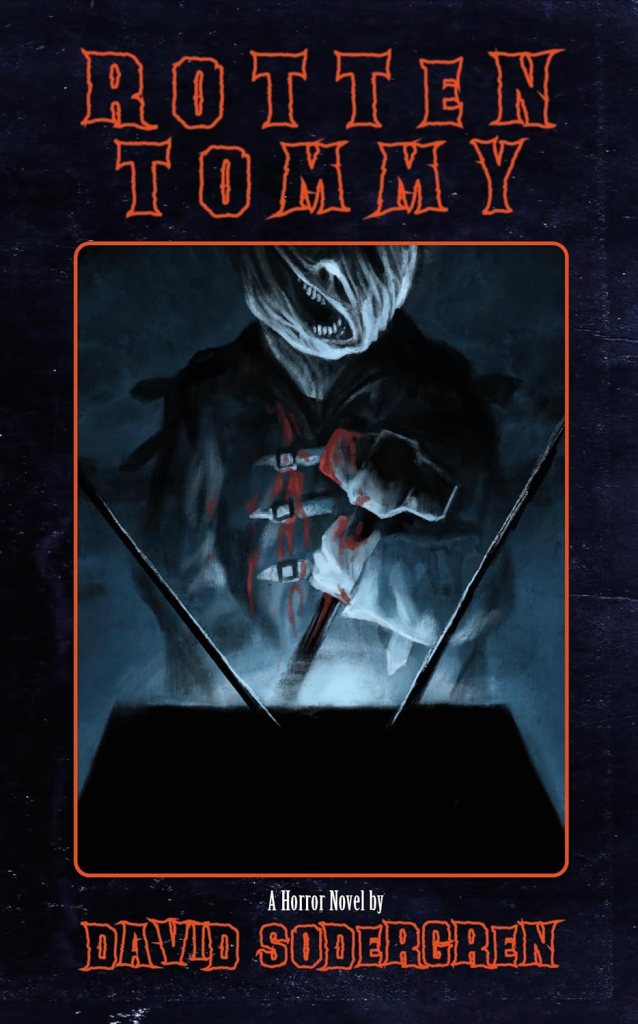
This is the story of Misha Byrne, a gay screenwriter whose characters start showing up in real life. (It’s funny, after writing that, I realise that was the premise of a Brett Easton Ellis novel I read years ago.) I won’t give anything else away. It reminded me a little of David Sodergren’s Rotten Tommy in terms of the manic creativity behind the plot and characters. It’s really enjoyable when capable writers let their imaginations loose.

The book is surprisingly well written. There’s sci-fi elements and social critique, but some scenes are horrendously violent, and I think this definitely counts as a horror novel. The sledgehammer scene made me wince, but also made me hope that this book gets turned into a movie.

I also found that while it’s a gay novel in many respects (gay protagonist, gay title, gay issues…), none of this book felt obscure or foreign to a straight reader. (The last gay horror novel I read was largely gay porn, so maybe it’s just the contrast to that book that susprised me.) I wonder how queer readers feel about how accessible this gay novel is to straight readers. While the book doesn’t trivialise the queer experience, I felt Mr. Tingle framed it in a very relatable manner. Do queer readers want to read something that makes the queer experience relatable to the straights, or would they prefer it to be a little more militantly queer? Is it naive of me to be a little taken back by how easy it is to relate to queer characters?

It’s pretty cool to see how much recognition this novel is getting. It’s a good book, but the author’s story is inspiring too. He did something weird and stuck with it until he got popular. While the title of this book isn’t as overtly self-referential as some of the author’s other works (2017’s Pounded In The Butt By My Book “Pounded In The Butt By My Book ‘Pounded In The Butt By My Book “Pounded In The Butt By My Book ‘Pounded In The Butt By My Book “Pounded In The Butt By My Own Butt”‘”‘ for example), the plot of the novel revolves around that motif in a genuinely impressive manner. It’s really cool to see that kind of integrity and ingenuity. Chuck Tingle is a weirdo, a real weirdo, but weirdoes are awesome.

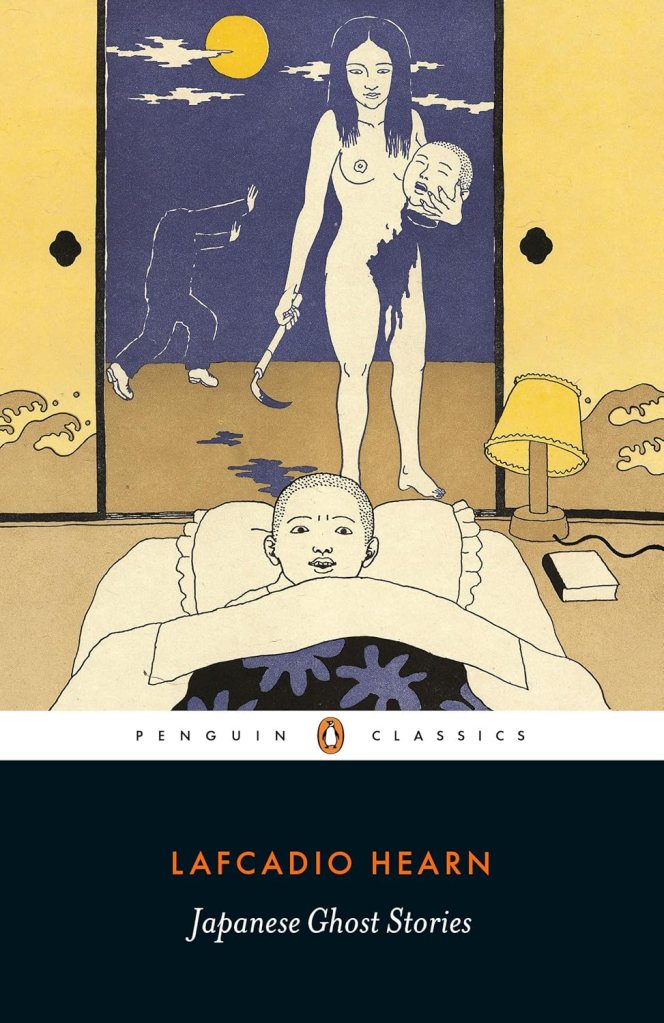
The Ghost of Paddy Lafcadio Hearn, Japan’s Spookiest Irishman

Penguin – 2019

I first saw this book a few years ago. I assumed it was a collection of folk tales from different authors, but the fact that it was published as a Penguin Classic made me want to read it. I was in Ireland recently, and I needed something to read. While browsing through my library’s collection of audiobooks, I saw this title and noticed for the first time that an author’s name was on the cover. I had never before heard of Lafcadio Hearn, collector of Japanese ghost tales, but a quick google search revealed that his first name was actually Patrick and that he grew up in Ireland. I did my bachelors degree in literature in Dublin, and I believed I had read most of the big names of Irish writing. I was delighted to discover an enigmatic Irish writer on one of my brief trips back to my homeland.

So Lafcadio was born in Greece, spent his childhood in Ireland, moved to the states, became a succesful journalist and then spent the rest of his life in Japan. He married the daughter of a samurai and spent his time collecting and translating Japanese ghost stories into English. Later, these stories were translated back into Japanese, and some sources on the internet claim that these works are now better known and valued in Japan than anywhere else.

While the collection is titled Japanese Ghost Stories, a more accurate title would be “Japanese Stories that Feature Supernatural Elements”. Most of these tales don’t feature pale apparitions rattling chains. There’s a lot in here too, and honestly, some of the stories are quite lame. I noted down the general gist of each tale below and put it into the list below. This is more for my own reference than anything else, and it contains spoilers, so you may want to skip it for now if you plan on reading the book. (It won’t really ruin anything if you do read it. There’s not many surprises in this book after you’ve read the first few stories.) Make sure you check out the ending of this post though. I’m pretty sure my interest in this author led me to seeing a real ghost.

The Stories

Of Ghosts and Goblins
Suitors try to impress girl. She only likes the one who eats a corpse with her.

The Dream of a Summers Day
Fisher boy saves a tortoise and then marries sea gods daughter. Comes home 3 (actually 400) years later. Dies. Just like fairy stories

In Cholera Time
Infant drinks dead ma’s tit milk

Ningyo-no-Haka
Japanese people die in 3s. Ghost of mother comes back for son
More a paragraph than a story.

The Eternal Haunter
Description of spirit that gave man a wet dream. I think.

Fragment
Man climbs mountain of skulls of his past lives

A Passional Karma
First real story. Samurai’s love dies. Comes back to haunt him.

Ingwa Banashi
Dying wife grabs the tits of her husband’s concubine and doesnt let go even after she dies.

Story of a Tengu
A tengu takes a monk back in time to see Buddha talking. Trash.

A Reconciliation
Samurai comes back to see his ex-wife, but she is now a ghost/corpse

A Legend of Fugen Bosatsu
Monk sees a pretty girl turn into some religious figure. Crap and boring.

The Corpse Rider
Priest tells man to ride his divorced wife’s corpse like a pony so she won’t haunt him

The Sympathy of Benten
Goddess introduces man to his wife’s spirit before they get married.

The Gratitude of the Samebito
Sharkman cries jewels to give to his friend to impress his crush’s family.

Of a Promise Kept
Samurai commits suicide to get back to his brother on appointed date.

Of a Promise Broken
Corpse of samurai’s first wife takes nasty vengeance on his second wife.

Before the Supreme Court
Dying girl’s parents make deal with pest god. Pest god kills another girl with same name. Council of gods gets pissed and puts dead girl’s soul into live girl’s body.

The Story of Kwashin Koji
Old man with a magic picture tricks people.

The Story of Umetsu Chubei
Man holds heavy magic baby.

The Legend of Yurei Daki
Woman steals gods money box and they get horrible revenge on her baby.

In a Cup of Tea
Man sees a face in his tea. The own of face later comes to visit him. Fragment.

Ikiyro
Woman hates young man because she thinks he is rival to her son, so her alive ghost haunts him.

The Story of O Kame
Wife needlessly haunts ger husband after she dies.

The Story of Chugoro
A beautiful frog vampire kills a young man when he tells his mate about their relationship.

The Story of Mimi-Nashi-Hoichi
Ghosts tear off blind musicians ears.

Jikininki
Priest comes across  a goblin eater of the dead.

Mujina
Crying woman tears her face off and frightens a traveller. Good.

Rokuro Kubi
Decapitated heads gang up on samurai priest.

Yuki-Onna
Man marries spirit that killed his friend.

The Story of Aoyagi
Man marries a tree.

The Dream of Akinosuke
Man falls alseep and joins insect kingdom.

Riki Baka
Mentally handicapped boy dies and is reborn.

The Mirror Maiden
A beauriful spirit lures people to their death down a well but turns out nice after an evil dragon releases her.

The Story of Ito Norisuke
Man falls in love with ghost.

In truth, this collection felt bloated. If the 10 worst/shortest stories were removed, it would have been much more enjoyable. It seems that this is a ‘complete’ collection rather than a ‘best of’ collection. I do appreciate that really. I’d probably be curious about the crap if it wasn’t included in here. Only 5-6 of the tales live up to the grisly cover that Penguin gave this collection. (I showed my wife the cover, and she asked if it was supposed to be Bobby Hill. Hahaha.) There’s definitely some similarities in the tales here and the Irish folk tales that Hearn must have heard growing up in Ireland. All together, I’d say it’s worth a read.

Photo posted online in 2016. This plaque is now gone.

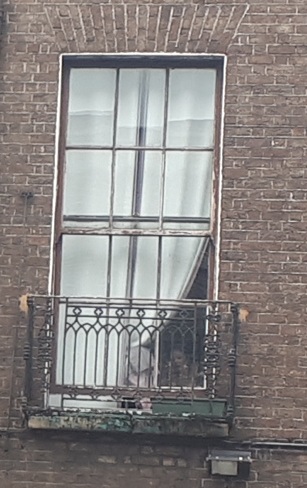
As I said, I was in Ireland when I found out about Hearn, and I wanted to use this opportunity to understand him, so I set out to find out what his experiences in Ireland had been like. On his wikipedia page, I found a picture of a plaque that used to be on the wall of his childhood home. I went to the address listed, but the plaque is no longer there. A careful analysis of the photo of the plaque and the front of the house confirms it is the same building. Given the numerous statues of James Joyce, Oscar Wilde, Patrick Kavanagh and other Dublin writers, spread throughout Dublin, I was disappointed to see that Lafcadio Hearn is basically unrecognised in what was once his home city.

48 Lower Gardiner Street, Dublin, Hearn’s Childhood Home


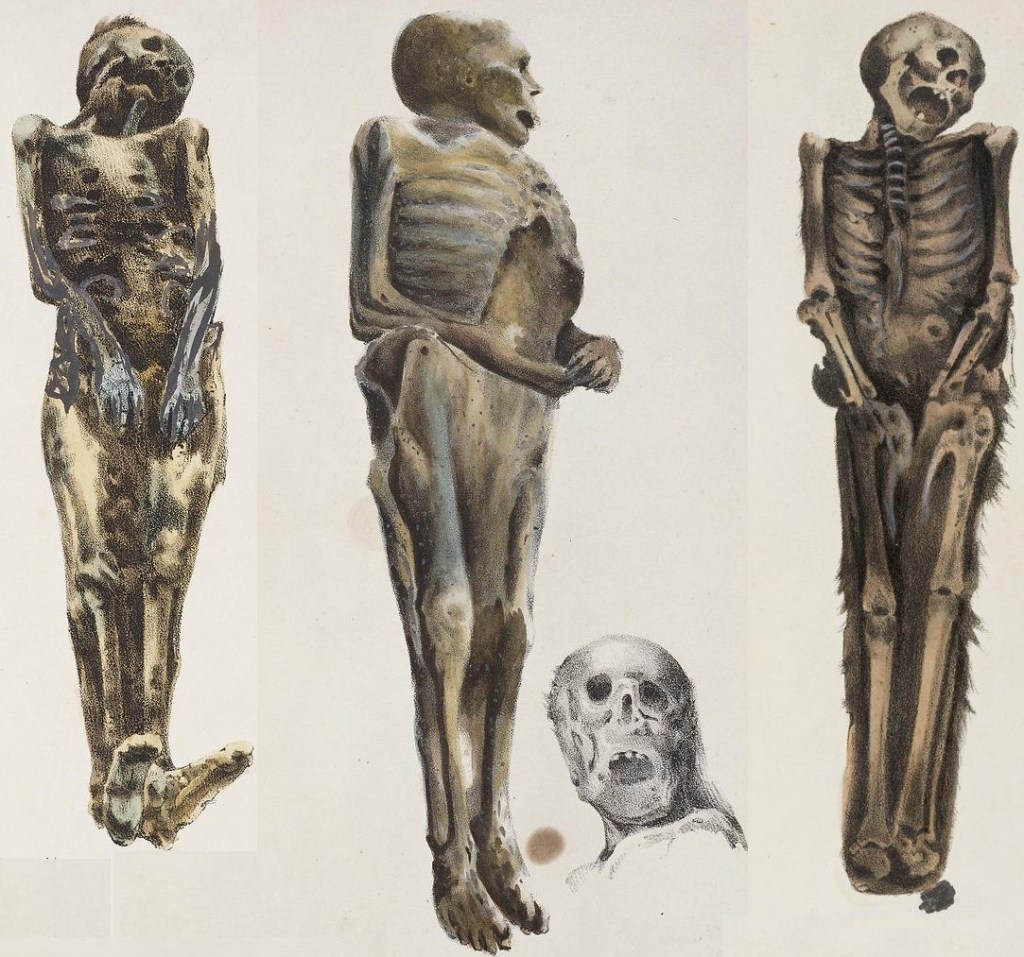
The stories in the book are followed by a brief appendix on the nature of ghosts and nightmares. This was definitely my favourite part of the book. Hearn discusses how belief in ghosts is a global phenomenon that occurs in every culture, and how it may derive from inherited memories from our earliest ancestors. It’s an interesting piece of writing, and it’s made more interesting by Hearn’s descriptions of his own encounters with ghosts as a child. He acknowledges that these spectres were likely creations of his mind, but in the context of his writing that doesn’t make them less terrifying. He explains how he always struggled to describe what they looked like until he saw the images of exhumed, decayed corpses in Orfila’s Traité des Exhumations Juridiques and recognized his tormentors. Perhaps the most chilling passage in the entire book is when he claims how these phantoms started to appear to him in a particular room of his home when he was 5 years old.

Corpses pictured in Mathieu J.B. Orfila’s Traité des Exhumations Juridiques

“When about five years old I was condemned to sleep by myself in a certain isolated room, thereafter always called the Child’s Room. (At that time I was scarcely ever mentioned by name, but only referred to as ‘the Child’.) The room was narrow, but very high, and, in spite of one tall window, very gloomy. It contained a fire-place wherein no fire was ever kindled; and the Child suspected that the chimney was haunted.”


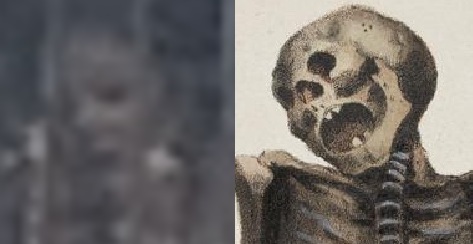
I went back to the photo I took of the house he lived in at that point of his life, looking for a room with a tall window. It could be any of them, so I zoomed in, looking for more clues. Then I noticed this:

Hearn’s ghost? This genuinely creeped me out when I noticed it.

John Russo’s Voodoo Dawn

John Russo wrote Night of the Living Dead with George Romero. I have been meaning to read something by him for years. I settled on his 1987 novel, Voodoo Dawn.

Imagine – 1987

This was pure garbage. It only took a few hours to read it, but every second of those hours felt as if the author was laughing at me for wasting my time reading his filthy pile of shit.

A voodoo witchdoctor goes on a killing spree in an attempt to make a Frankensteinesque voodoo doll out of human body parts. The premise here is good, but the execution reeks of human excrement. The discussion of the life sized voodoo doll is limited to a few sentences, and the murders take up only a few pages. Most of this novel focuses on the business plans of a gang of up-and-coming advertising executives. It’s shockingly boring. There was a little bit of satisfaction when these boring squares died, but it would have been much more satisfying to witness the author being brutally dismembered with a machete for making me read through his boring, dull, uninspired shite.

At one point the author describes how one of the characters is struggling to flesh out her book on voodoo and how she ultimately resorts to inserting large quotations from other books instead of integrating their main ideas into her work. Russo then proceeds to insert a large quote from one of the books that the character was supposedly reading. He’s literally flaunting his inadequacies to his readers’ faces.

Apparently there’s a movie with the same title that was very, very loosely based on this book. I doubt I’ll watch it. Honestly, avoid this book like you would a leper. It’s a diaper full of diarrhea.

Poppy Brite’s Most Extreme Novel: Exquisite Corpse

Ok, so I know I said that I was going to get to regular posting 2 weeks ago, but I went camping last weekend and had no internet. I finished this novel, Poppy Z. Brite’s Exquisite Corpse, a few weeks ago, and it’s been stuck in my head ever since.

Gallery Books – 1997 (Originally published 1996)

I’ve read 3 other books by Poppy Z. Brite. I loved Lost Souls and Swamp Foetus. I didn’t like Drawing Blood so much. It felt more like fantasy than horror, and it was extremely homoerotic. I don’t mean that in a derogatory way, and I don’t want it to seem like I’m trying to give off “no homo” vibes here. I was able to enjoy the romance between the 2 male characters; I just didn’t like the cum eating. I guess I’m the kind of person who really only enjoys reading descriptions of people ingesting bodily fluids when these descriptions are purposely written to gross the reader out.

Anyone who has read Exquisite Corpse will probably be giggling at my squeamishness right now. Both of Brite’s publishers (Delacorte and Penguin) refused to publish this book after Brite submitted the manuscript. This is one of the most disgusting novels I have ever read.

The plot focuses on the intersection of the lives of 2 gay couples. One of these couples has recently broken up, and the other is comprised of a necrophile and a cannibal. The results are deeply disturbing and depressing. I don’t want to give anything else away, but Jesus this book was fucking grim.

At an early point in the novel, I considered giving up. There were a few chapters that were basically just gay porn. These weren’t just descriptions of what happened. This was clearly erotic writing. I generally skim over lengthy sex scenes in novels, regardless of the genders of the participants. I didn’t do that here because I was half expecting something horrible to happen, but it didn’t, and now I fear that I am a gay man.

I’m joking of course, but I was half right. Extremely horrible things do start happening in this book, and they are written about in such a way that sets them far, far apart from the generic splatterpunk book I have read here before. It’s a combination of Brite’s skill with the written word and the juxtaposition with the sexy parts of this book that make the violence in here so disturbing. At the same time, the actual brutality on display here is full on. There’s nothing left to the imagination. The viscera and gore are upsetting, but Brite also describes the psychology of the sadistic murderers too, and it was those parts that I found most upsetting. There’s one bit that genuinely disgusted me where the murderer is describing how the body of their victim acquiesces to the violence its undergoing with a kind of longing.

This book is seriously fucked up. It’s dark, disgusting and depressing. There were numerous points throughout that made me feel nauseous and made me question my sexuality. All in all, I enjoyed it.

The Haar and Rotten Tommy: Two Novels by David Sodergren

Greetings dear readers. I want to offer my apologies for the disruption of my weekly posts recently. I’ve been away, and I had to prioritize my family over my creepy book blog. I can’t remember another month in my adult life where I did as little reading. I’m back home now, so the scheduled creepiness can now resume. I got my hands on some weird stuff when I was away too, so check in again soon.

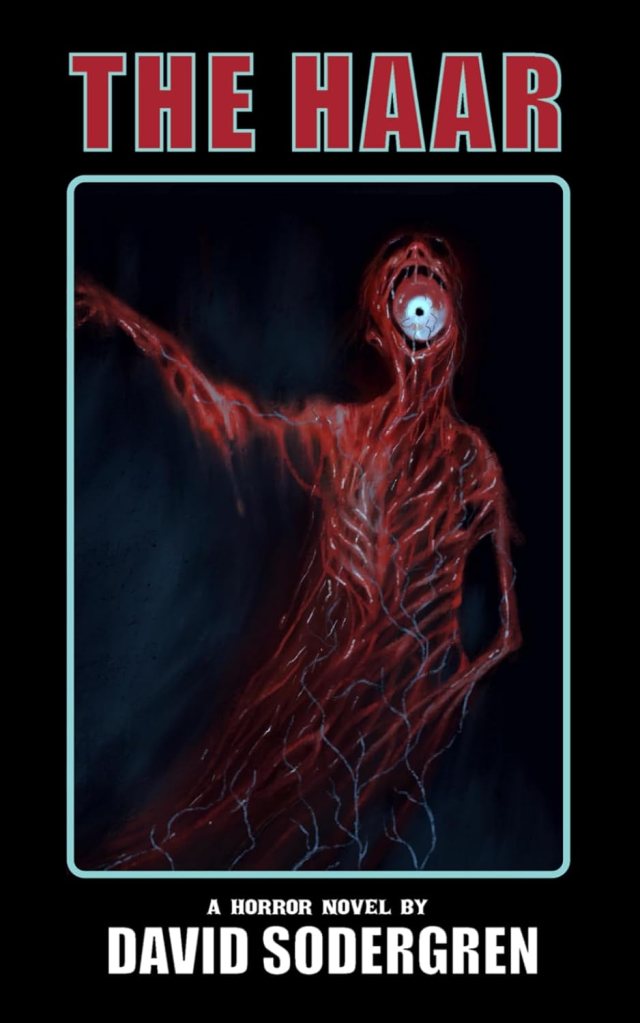
The Haar – David Sodergren

Paperbacks and Pugs – 2022


I noticed this title on my library’s audiobook section a few months ago. I’ve listened to most of the horror novels available there, and I needed something to read, so I gave this a go. I think used to follow the author on twitter or something as I recognized his name as an indie horror author. I had no real expectations.

I loved this book. I genuinely really enjoyed reading it.

An old woman faces pressure to sell her house on the coast of Scotland so that a millionaire can redevelop the land. I’m assuming he was going to turn it into a golf course, but I can’t actually remember. Doesn’t Trump own a golf course in Scotland? Either way, a fucked up sea monster shows up and things get gory and psychedelic. This probably counts as splatterpunk, but it’s enjoyably written. There’s a story and characters at work here.

Rotten Tommy- David Sodergren

Paperbacks and Pugs – 2024

Shortly after finishing The Haar, I sought out another book by Sodergren. Rotten Tommy came out last year. I found it a bit weirder than The Haar. It’s about a woman who finds malevolent video tapes in her parent’s old house that lead her getting sucked into a forgotten TV show with an extremely nasty antagonist. This is definitely horror, but there are strong fantasy and even comedy elements at play. Again, I really enjoyed this book.

I often find myself running out of things to say when I review modern horror, especially when I’ve enjoyed reading it. There’s a million other reviews out there if you want more details, but I would strongly recommend just reading these books instead. Both of these novels were a lot of fun to read. I will hopefully get around to reading more of David Sodergren’s books in the future.

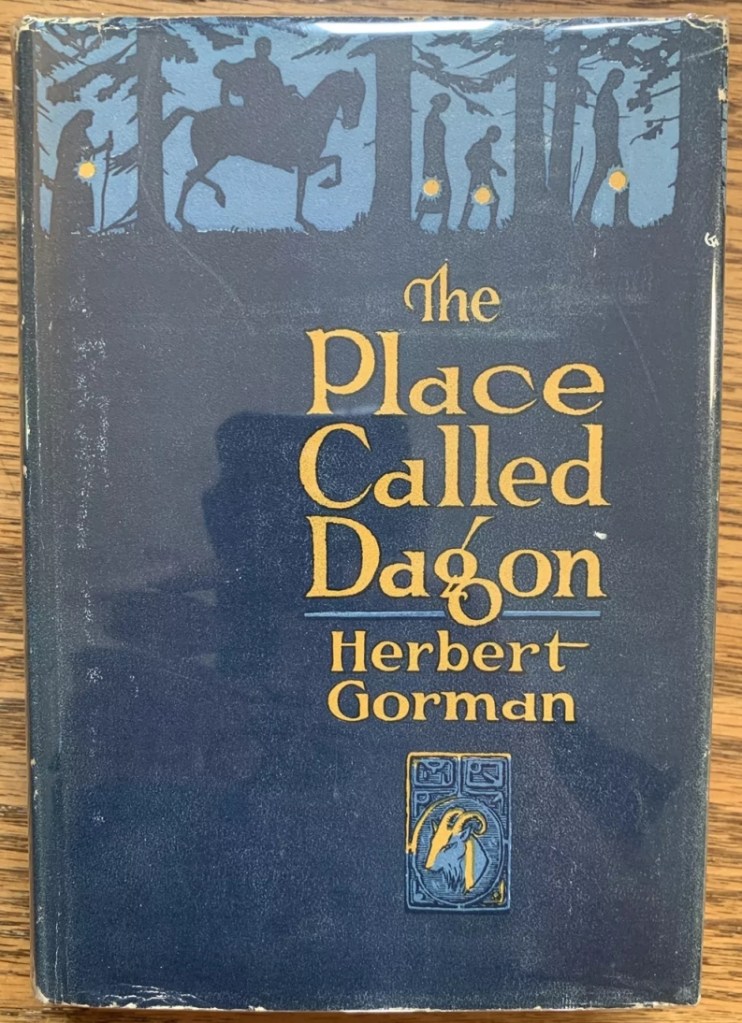
Herbert Gorman’s The Place Called Dagon

Sorry for not posting last week. I’ve been travelling, and I haven’t had much time to sit down and blog.

I read Herbert Gorman’s The Place Called Dagon a few weeks ago. I had read somewhere that it had influenced Lovecraft, and its title made it seem like the influence would be pretty direct. I enjoyed the book, and while it did feel very similar to some of Lovecraft’s tales, it wasn’t really what I expected.

George H. Doran Company – 1927

A doctor moves to a remote town in New England. He’s largely shunned by the locals. Things start to change when he is called to the home of the local eccentric who has just shot himself in the foot. This lad is a weirdo, but his wife is a total babe. One thing leads to another, and it’s not long until the doctor finds himself at a Satanic coven’s ritual sacrifice.

This is actually a pretty straight forward folk horror story, but the setting and tone is very similar to some of Lovecraft’s work. I was a bit surprised because when I think of what stands out about Lovecraftian horror, I tend to think of the cosmic side of things, strange and terrible gods that are oblivious to the suffering of humanity, but the evil in Gorman’s book is actually quite prosaic. There’s definite Dunwich vibes, but no real Yog Sothothery. The Dagon referred to in the book’s title is literally a place too. There’s no fish Gods involved.

I quite enjoyed this one. I went back and took a look to see what Lovecraft actually said about it. All I could find was a brief mention in his essay on Supernatural Horror in Literature. I remember reading Stephen King’s Danse Macabre, a book about horror fiction, a few years ago and then going back and reading all of the books it mentioned. I did the same thing after reading T.E.D. Klein’s The Ceremonies. I’m a bit surprised that I haven’t gone through Lovecraft’s essay in more detail and then hunted down the books mentioned therein. I’m just glancing through it now and seeing a lot of familiar names. Maybe I’ll get going on that soon.

There’s Always Freaks in the Basement: Ray Garton’s Live Girls and Night Life

I first encounered the writing of Ray Garton in the first Splatterpunks anthology. It contained a chapter that had been from his book Crucifax, presumably for being too edgy. It had a dead baby in it or something, and I wasn’t terribly impressed. Years later, I read that his vampire novel, Live Girls, was considered a classic in the field, so I sought it out and gave it a read.

Live Girls

Futura – 1987

Yeah, this is pretty good. There’s a peepshow in New York city where beautiful vampire women dance in glass boxes. There are gloryholes in the walls, and when the men stick their dicks in, they get a toothy blowjob that satisfies both their lust and the vampire’s hunger. There’s also a basement full of hideous mutants. This part isn’t explained properly. We’re told how they became mutants but not why they’re trapped in a cellar. As far as I’m concerned, the fact that they’re mutants is a perfectly good reason for them being kept in cellar. This is not high literature, but it’s fast paced and enjoyable. It’s also quite of its time (1987). The following passage had me laughing:

“He thought he was being raped by a homosexual.” he added.
She put her whole hand over her mouth and her eyes crinkled as she tried to hold the laughter in.

I can’t imagine those lines appearing in a modern novel.

Night Life

Subterranean – 2005

I waited a week and then read Night Life, the sequel to Live Girls. This was written almost 20 years after the first book. It features many of the same characters, and while it was decently entertaining, it just wasn’t as good as the first book. It’s one of those sequels where the author tries to rewrite new versions of all of the memorable parts of the first book. The vampire hideout in this one is a hotel rather than a peepshow, but the hotel also features a basement full of mutant freaks. There’s more rape in this one too, and it felt a bit vulgar. The rapists in the first book are female vampires. There’s an interesting element of subversion there. Not so in the sequel. I don’t want to come across as a prude here because I willingly read a novel by a writer who was known as a first generation splatterpunk, but the innocent woman being forced into an anal rape gangbang with 13 vampires was a bit silly. The ending was a bit abrupt, and I felt like Garton left it open with the plans to maybe write a third book in the series. Unfortunately, he died last year, so we’ll never find out what happens next.

If you’re going to read Live Girls (and I recommend that you do), you should probably read Night Life too. It’s not as good, but I did actually enjoy reading it. I am probably going to go back to read Crucifax soon.

Weird, Rare and Bad: Otto Fredrick’s Count Dracula’s Canadian Affair

You may not know this, but Tuesday is Canada Day. People in Canada get the day off work to clean their moose and harvest their maple syrup. I’ve done a few posts on Canadian stuff in the past (a Canadian ghost, a Canadian cult, Canadian mind control…), but the most infamous title of “Canadian” horror has long eluded me. I recently got my hands on it, and I thought this would be the perfect time to share it with you.

Otto Frederick’s Count Dracula’s Canadian Affair

Pageant Press – 1960

I don’t remember where I heard of this book, but on reading the title, I knew I had to track it down. A small amount of research on this book will show that it gained some of its infamy after appearing as number 3 in R.S. Hadji’s list of 13 Worst Stinkers of the Weird in the June 1983 edition of Twilight Zone magazine.

(I’ve previously reviewed numbers 11 and 12.)

Count Dracula’s Canadian Affair is a lot harder to track down than some of the other titles on this list. This is likely because it was printed by Pageant Press, a vanity press. Vanity presses were companies that would print books at the expense of the author, so it is hard to imagine that more than a few thousand copies were ever printed. The author was a clerk for the airforce living in Ohio, and he had 2 kids and a wife, so I doubt he had enough money for a huge run of hardbacks.

There’s also something infinitely collectible about this book. It’s rare, it sounds peculiar, it’s infamously bad, and it’s set in Canada. What self-respecting Canadian connoisseur of horror fiction could sleep easily without a copy of this book on their shelf? I’m not Canadian, and I literally spent years trying to track down a copy. I’m not exaggerating. Years.

I found a copy online a few years back, but it was a little more than what I was willing to pay. It disappeared soon thereafter. A few months back another copy appeared, but it was twice the price of the previous copy. I bought it anyways. It is by far the most expensive book I’ve bought, but I had to have it. I simply had to.

I read it last week. It is indeed very shit.

A brother and sister and their uncle move to the Canadian wilderness where their father has been given some land. They make friends with some local lumberjacks and then spend a few months turning an old logging cabin into a lakeside home. Unfortunately, a weird man in a military uniform keeps sneaking into their house when the men are away and assaulting the girl. She doesn’t really put up any resistance. If this was a better book, it would describe how she wasn’t sure if these visits were real or a dream, but the author isn’t that competent, so it just seems like getting raped doesn’t really bother her. She manages to keep it a secret, but when the family’s horses go missing, the men realise something is up. It turns out that Dracula is living on an island in their lake, disguising himself as a soldier.

The book ends shortly after this. There are no details given on how Dracula made his way to Canada or where he goes after the settlers chase him away.

Otto Fredrick

I believe that this was the author’s only book. I’m not surprised. He was not a good writer. This is more a moderately boring adventure novel than a horror novel, and the addition of Dracula to the plot seems forced and bizarre. It’s pretty short though, and I read it in 2 sittings, so the frustration and disappointment didn’t really hit me until after it was over. The elements for a decent novel were all here, but this mostly felt rushed and poorly thought out. If you’re expecting the Trailer Park Boys but with vampires, you’re in for disappointment.

Was this objectively terrible book worth the ridiculous amount of money that I paid for it? Reading it was not a particularly exciting experience, but seeing my copy on my bookshelf is priceless. There’s another copy available on Ebay now. Go and buy it, you coward.

It’s funny. A few years ago I did a post on Barry Hammond’s Cold Front, referring to it as “Canada’s rarest horror paperback”. It was recently republished, so it has definitely lost this title. Count Dracula’s Canadian Affair isn’t a paperback or truly Canadian, but surely it is now the rarest work of Canadian horror fiction! Unfortunately, I find it hard to imagine this one ever getting republished. Happy Canada Day!

The Psychogeography and Megapolisomancy of Hawksmoor’s Churches in the Works of Sinclair, Ackroyd and Moore

Sinclair’s Lud Heat (1975) and Moore’s From Hell (1999)

I first heard of Nicholas Hawksmoor when I read Alan Moore and Eddie Campbell’s From Hell, a graphic novel about the Jack the Ripper murders (more to come on that topic in the next few weeks!). Hawksmoor was an architect in the late 17th and early 18th centuries, and in Moore’s book, there are repeated references to the churches Hawksmoor designed in London. Moore suggests that the locations and designs of these churches bely their function as places of Christian worship. Hawksmoor was actually a Satanic pagan, and his churches were designed as talismans to serve in the great ritual of London city. The fact that Whitechapel, Jack the Ripper’s hunting ground, is situated between 2 of Hawksmoor’s churches is no coincidence.

Quote from Sinclair’s Lud Heat

One of the major accomplishments of Moore’s meticulously researched work on From Hell is the synthesis of different conspiracies, characters and ideas from and about London in the late 1880s, and the notion of Hawksmoor’s churches being evil talismans originally comes from an author named Iain Sinclair. In 1975, he published a book of poetry called Lud Heat. The first section of the book is titled, Nicholas Hawksmoor, His Churches, and it’s here that Sinclair puts forth the idea that Hawksmoor deliberately infused his churches with sinister codes and symbols.

Quote from Sinclair’s Lud Heat

While there is no real evidence that Hawksmoor was a Satanist, he did incorporate obelisks, pyramids and other supposedly pagan symbols into his architecture. He was also extremely picky about the sites where his churches were to be built. When plotted on a map, they are said to form a pentagram, and Hawksmoor had them built in curious historical locations.

From Hell Chapter 4. Note the claim that the stone of the church will ensure the survival of Hawksmoor’s will.

Sinclair is a proponent of psychogeography. Psychogeography, as far as I understand it, is basically the process of walking around an area in an attempt to understand how its layout and architecture affect people. Alan Moore is friends with Sinclair and has openly acknowledged the influence of Sinclair’s ideas on From Hell. (Sinclair himself wrote a book about the ripper murders which I plan to read soon.)

Lud Heat is very much a poem about London. I’ve been to London a few times, but I don’t know the city well enough to really have a feel of what Sinclair is talking about. I also don’t care much for poetry, so while I read through his Hawksmoor poem, it didn’t really do much for me. This poem was published in 1975, and From Hell was finished roughly 20 years later, but halfway through this period, novelist Peter Ackroyd published Hawksmoor, another novel influenced by Sinclair’s ideas on Hawksmoor and psychogeography.

Harper and Row – 1985

Hawksmoor has 2 storylines. One deals with the trials and tribulations of Nicholas Dyer, a cantankerous architect who was initiated into a sinister cult as a child after his parents died of the plague. There’s a few minor discrepancies, but Dyer is clearly based on the real Hawksmoor. This is confusing because the second narrative takes place 200 years later and focuses on a homicide detective named Hawksmoor…

As Dyer’s churches are erected, he commits ritual murder at the site of each of these edifices to instill them with a malignant power. When the narrative switches to the present day, the reader witnesses Hawksmoor investigating similar recent murders that have occurred in the same locations as Dyer’s sacrifices. He is unable to solve these crimes, and the implication is that the sinister power that was imbued into each of the churches is still at work today. It’s not quite clear whether the recent deaths are to reinvigorate the churches with fresh sinister power or whether these crimes are just a grisly echo of evil “reverberating down the centuries”.

Quote from Ackroyd’s Hawksmoor (Remember that the Hawksmoor mentioned here is actually a police officer!)

Ackroyd only mentions the Whitechapel murders briefly his novel, but the notion that the design and locations of Dyer’s churches are responsible for violent deaths is central. Also, the fact that the murders in Ackroyd’s book are unsolvable does have an eerie parallel with the Jack the Ripper murders.

Ackroyd’s Hawksmoor is entertaining and at times quite funny, and while it’s more literary than what I usually read nowadays, I quite enjoyed it. I had been going through a bit of a lull with my reading material, and as I was reading this, it got me excited about books again. I have been meaning to read some books about Jack the Ripper for a while now, so I jumped at the chance to reread From Hell, and all of this talk of buildings being imbued with sinister powers caused me to revisit another old favourite.

Psychogeography seemed like quite a novel idea to me at first, but then I realised it was very similar to the mysterious science of megapolisomancy described in Fritz Leiber’s classic Our Lady of Darkness. Megapolisomancy: A New Science of Cities is a mysterious (and unfortunately ficitonal) book written by an even more mysterious character named Thibaut de Castries. De Castries believed that modern cities were dangerous places because of the materials used to construct their buildings. The layout and architecture of these buildings can drive people mad. De Castries claims that these pieces of architecture attract paramentals, bizarre entities that feed on human terror. A building designed in a particular way could be used to manipulate these entities into doing ones bidding.

Quote from Leiber’s Our Lady of Darkness

This is pretty much the exact idea that Sinclair, Ackroyd and Moore use in their respective books works involving Hawksmoor. Compare Thibaut’s thoughts there with the Sinclair’s description of Hawksmoor above. Note the emphasis on location, geometry and ritual.

De Castries dies before the events described in Our Lady of Darkness, but the effects of his work are felt long after he’s gone. Compare the following quote from Megapolisomancy with the events described in Ackroyd’s Hawksmoor and Moore’s From Hell. The buildings, these talismans of concrete are designed to house a lingering terror whose effects continue long into the future.

Quote from Leiber’s Our Lady of Darkness. De Castries probably doesn’t want to commit these “manipulations” to print because they involve ritual murders in the style of Hawksmoor!

In Our Lady of Darkness, the protagonist is terrorised by a paramental entity that had been coded onto the local architecture by an infernal work of neo-pythagorean meta-geometry (God, I love that phrase!). Ackroyd’s Hawksmoor leave rooms for a similar interpretation. The murders in From Hell are commited by a human of flesh and blood, but the murderer himself repeatedly refers to the influence of Hawksmoor’s churches on his heinous acts.

From Hell, Chapter 4 “magic… reverberating down the centuries”

Now at first I thought this was all a coincidence. Fritz Leiber’s first novel was first published before Sinclair, Ackroyd or Moore were born, and Our Lady of Darkness actually came out when Leiber was in his late 60s, 2 years after Sinclair’s Lud Heat had been published. Sinclair did not invent psychogeography, but the similarities between his ideas on Hawksmoor and Leiber’s megapolisomancy seem very specific. How would an old man have gotten wind of this new fangled version of psychogeography and put it into his novel? Now I can’t say for certain, but I’ve come across a potential explanation. Leiber was famous for popularizing the sword and sorcery genre along with English writer Michael Moorcock. These two authors were apparently good friends, and doubtlessly recommended books to each other. In 1995, Moorcock actually wrote an introduction to a new edition of Sinclair’s Lud Heat. He claims that he first met Sinclair as the author of Lud Heat, so it’s a long shot, but it’s not entirely impossible that Moorcock had read Lud Heat and suggested it to Leiber before Leiber wrote his first draft of Our Lady of Darkness. I know that Alan Moore is chummy with Moorcock, and Moorcock has also expressed praise for Ackroyd’s work, so it seems likely that Moorcock likely has some interest in their notion of psychogeography… It’s probably just a coincidence, but it’s fun to connect the dots.

I quite enjoyed writing this post. I’m going to have another post featuring From Hell in the near future. I generally avoid talking about graphic novels on here, but Moore is something of an authority on this stuff and I love him as an author and a person. It was funny reading through the appendix at the end of From Hell and seeing mention of my pal James Shelby Downard. Hawksmoor was initiated in freemasonry a few years before he died. I wonder what Downard would make of that!