Fred Chappell’s Dagon

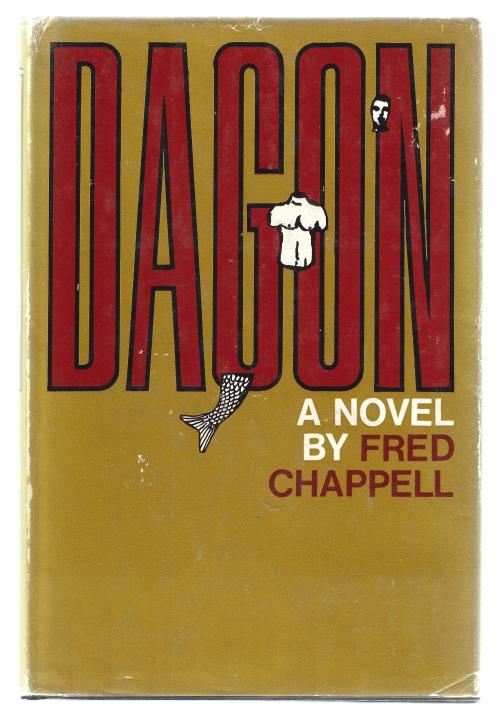
Harcourt, Brace & World, Inc. – 1968

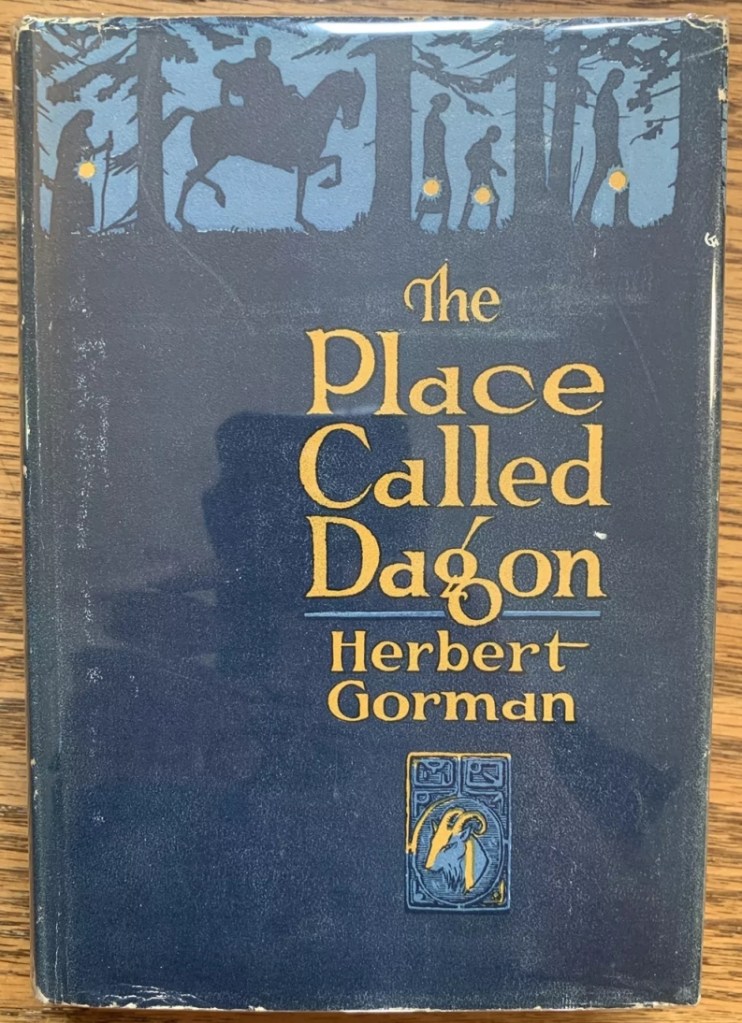
I’ve wanted to read Fred Chappell’s Dagon for years. I knew it was one of the more esteemed Lovecraftian novels and that it was written by a writer who wasn’t specifically a horror guy.  I went into the book thinking that Fred Chappell was a noir fiction writer, but apparently I made that up. He was actually a poetry and literature kind of chap. Dagon confirms this. It’s definitely a bit deeper than tentacle monsters.

This book is categorized as Southern Gothic. I read some books by Faulkner and O’Connor when I was younger, and I mostly remember them being sad, sweaty, claustrophobic things. Chappell’s Dagon definitely contains those elements, but it starts off like half of August Derleth’s Lovecraftian stories: an academic inherits a farm that contains sinister and disturbing secrets. This one has bloody chains in the attic and a family of hideously ugly freaks living in a shack on the edge of the property. There’s also a pile of seemingly indecipherable documents containing references to Cthulhu and Yog-Sothoth that seemingly drive the reader insane.

From here on, I’m going to discuss how the book ends, so if you haven’t read it, go and do so before continuing with this post. The book is not a masterpiece, but it was thoroughly unpleasant, and I quite enjoyed reading it.

So after the protagonist reads some of the weird letters in his house, he falls in love with a freakishly ugly young woman and murders his wife. He then spends the rest of the book drinking himself to death and getting tortured by the ugly mutant. After being held down and tattooed in front of a bunch of people, he is thrown in a hole and dies.

My immediate response on finishing the book was that I loved it. I really enjoy when horror novels end horribly. I kept thinking about this one after finishing it though, and in retrospect, it doesn’t make a lot of sense. Why did the main character kill his wife? They had an argument, but murdering her was a bit excessive. Why was the girl so ugly? Her face is described as fishlike, but are we to believe her ancestors hailed from Innsmouth or was she just minging? Why does the author passively let her destroy him? Who are the people that she involves in his torture? Are they in a cult? Why are the Lovecraftian deities mentioned? Nothing supernatural happens here.

As somebody who mostly reads trashy fiction, it unnerved me to have so many unanswered questions at the end of a book, but none of these issues actually bothered me when I was reading. Things generally do seem more horrific when they don’t make sense, and I think that the omission of these explanations was intentional.

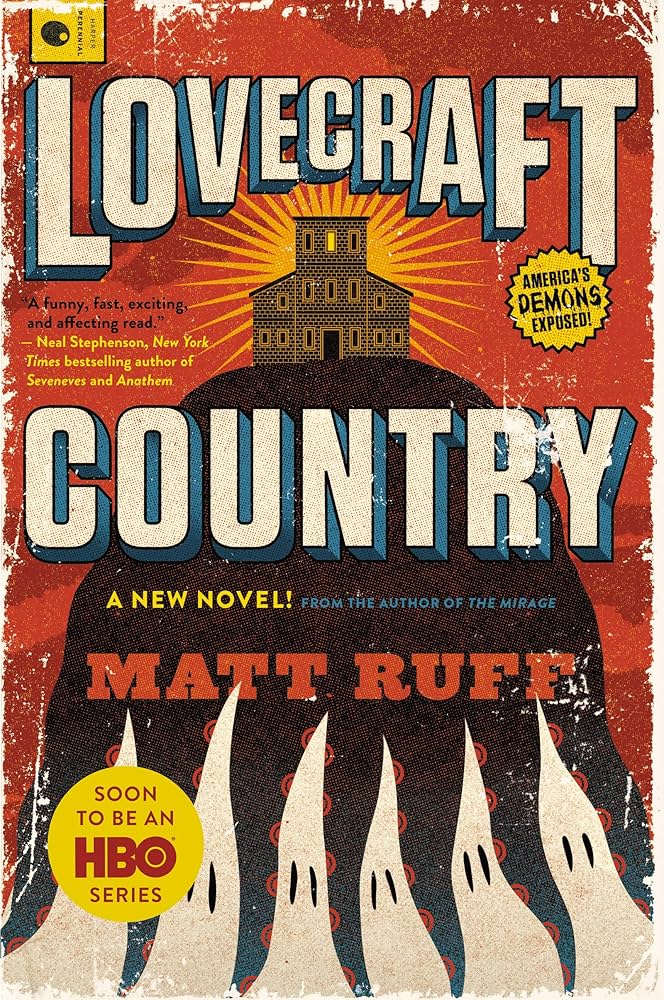
The combination of Lovecraftian horror and Southern Gothic doesn’t really work. (Although it worked a Hell of a lot better here than in Lovecraft Country!) The genres are just a little too far removed from each other to mesh cohesively, but Chappell’s effort to do so was about as successful as we could realistically hope it to be. It’s not a perfect book, but I enjoyed reading it and i am still thinking about it a week later.

I’ve been hitting the fiction hard recently. I read 4 novels this week, and I wasn’t sure which to post first. There’s lots of cool stuff coming up in the next few weeks, so check back regularly!
“I am the fifth dimension! I am the eighth wonder of the world!” – Gef the Talking Mongoose

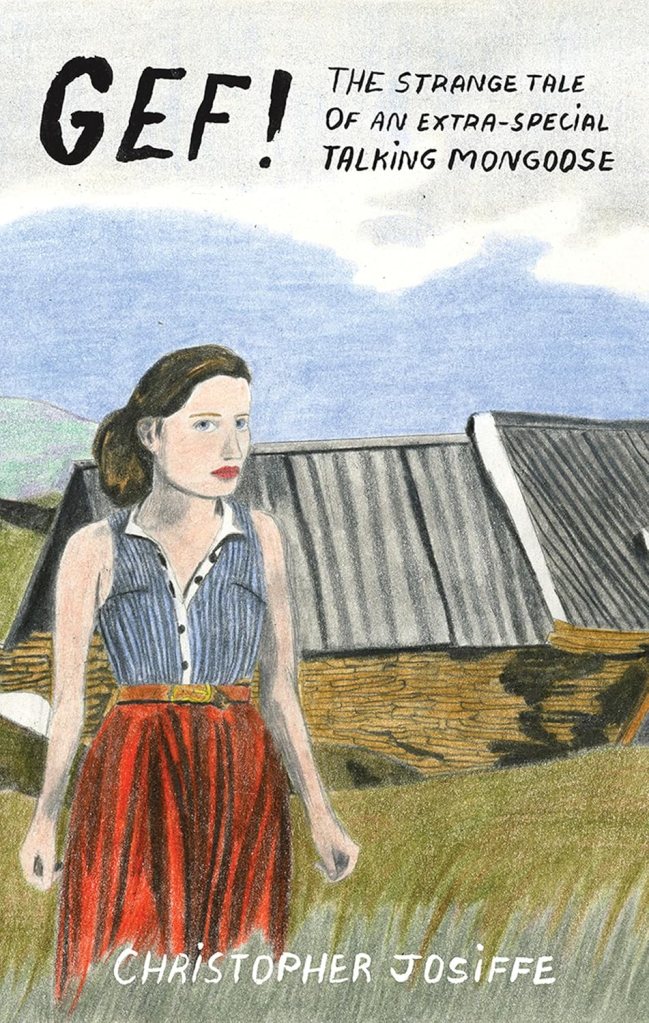
Gef! The Strange Tale of an Extra-Special Talking Mongoose – Christopher Josiffe

Strange Attractor Press – 2017

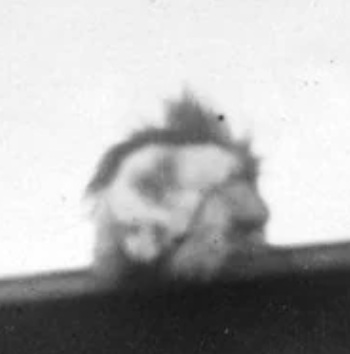
In 1931, a talking mongoose named Gef invited himself to live with a farming family on the Isle of Man. He stayed with them for a decade, engaging in long conversations, eating their food, catching them rabbits, keeping them up to date on island gossip and occasionally spitting and peeing on them. Several times he let them touch him and take very blurry photographs of him. Despite his brazen personality, Gef, or the Dalby Spook, as he was sometimes known, was generally hesitant to engage with anyone but the farmer, his wife and their daughter.

A lot of people, including my old pal Harry Price, dismissed this as a hoax, but the family remained adamant that they were telling the truth. There are several theories about different members of the family deliberately tricking the others, but none of the three ever admitted to such. They had little to gain from their fabulous claims, and they made an effort to shun some of the attention they received. This is an interesting case partly because one of the main reasons for believing the story is the fact that it is so ridiculous. If the family was deliberately conducting a hoax, we would expect them to do a better job.

The clearest photo of Gef

Followers of this blog will know that I am generally quite skeptical of paranormal phenomenon, but personally, I’m not convinced this was entirely a hoax. I think it likely had more to do with mental illness than simple deceit. This family had moved to the Isle of Man because the father’s business ventures had failed. They were forced into a difficult existence where they were not only physically isolated but socially separate to their closest neighbours. I think it’s very possible that the father had a mental breakdown and managed to convince his family that his hallucinations were real. This may have led to the family to perform acts of deception as a means to avoid internal conflict. Either way, it’s a fascinating story.

I’ve come across mentions of Gef before, and I’ve had Josiffe’s book on my to-read list for ages, but I brought it to the top a few weeks ago. I was going to say that it was after coming across mention of Gef in Graham J. McEwan’s Mystery Animals of Britain and Ireland, but I just looked there and realised that Gef doesn’t get a mention! The last place I saw him referenced was actually in The R’lyeh Text, a grimoire of Lovecraftian magic! There’s an essay at the back of that book which claims that Gef may well have been an influence on Lovecraft’s Brown Jenkin from The Dreams in the Witch House. Josiffe repeats these ideas towards the end of his book and notes that it was very likely that Lovecraft would have encountered articles on Gef in the news during the 1930s.

This book was great. The author presents things very fairly, and does a good job of just presenting the facts of the case. If anything, I think he could have been a bit more dismissive. The last few chapters of the book look at phenomena (poltergeists, fairies, tulpas and witches familiars…) in an attempt to potentially explain what Gef might have been. I wasn’t convinced by any of these suggestions. The story is weird enough without anything supernatural or paranormal being brought in to explain it. Still, I appreciated the comprehensive nature of Josiffe’s work. I am quite certain that this will remain the definitive book on the Gef phenomenon forever. If you like books about weird stuff, you have to read this masterpiece. This is the best book I’ve read this year, and it may well remain so for the remaining 361 days of 2026.

2025, The Year in Review

Another year has come and gone, and I’m still here blogging about creepy books. I sometimes wonder if I’m going to run out of weird stuff to read, but as I dig deeper and deeper into the archives of the occult, the horrifying and the Fortean, that seems less and less likely. At the same time, I am always interested in book recommendations, so please reach out if you have any!
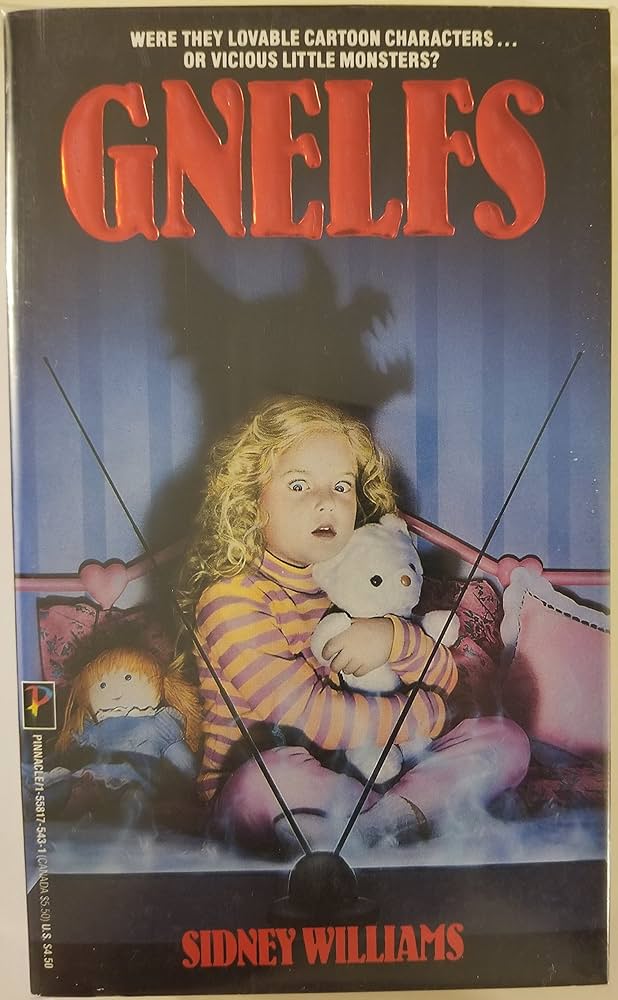
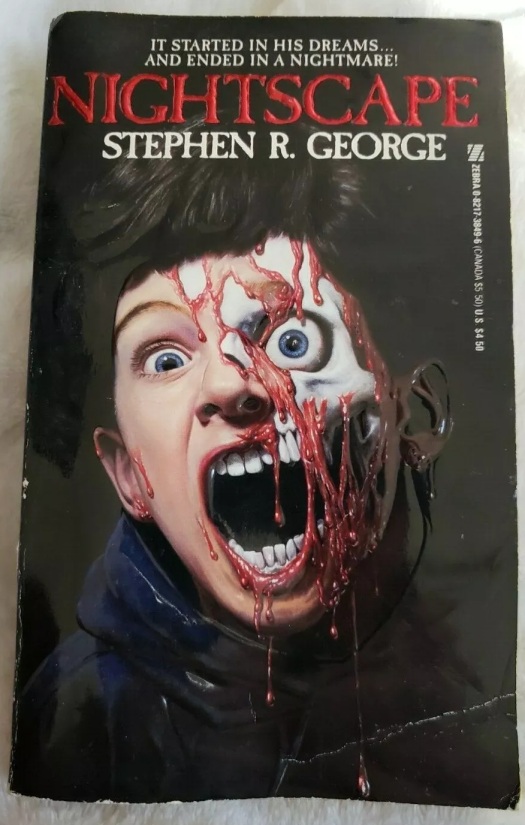
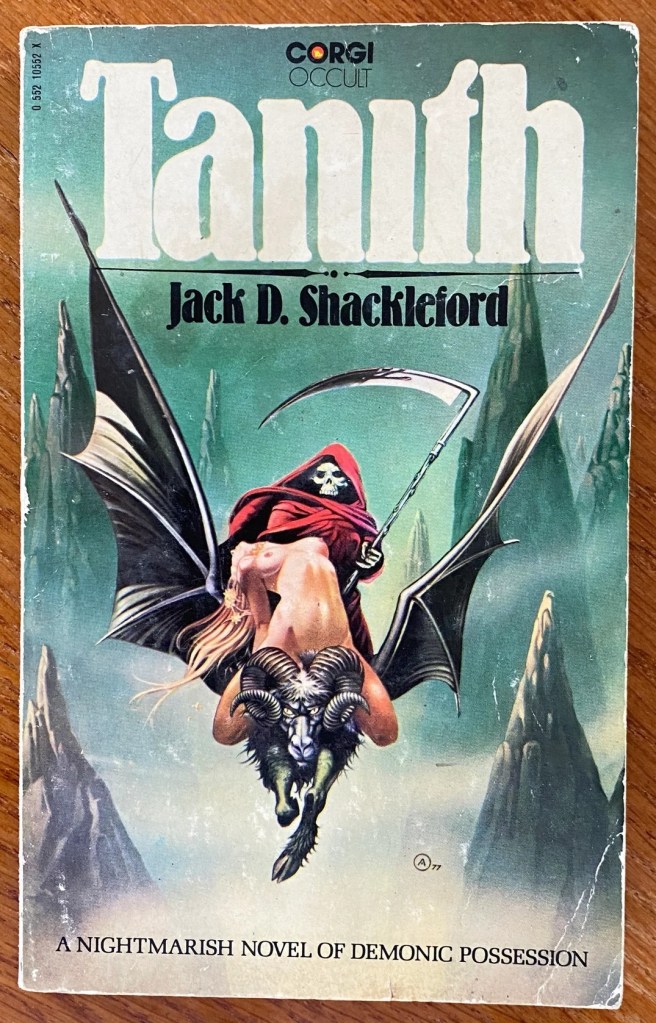
For the last few years, I’ve tried to split my posts evenly between fiction and non fiction. This year, I read more trashy novels than anything else, but many of these were by the same authors, so I grouped them. I did posts on Sidney Williams, Ray Garton, and Stephen R. George.and Whitley Strieber. I planned to do the same for John Russo and Jack D. Shackleford, but the books I read by them were so bad that I abandoned my plan. I also read The Omen and The Exorcist series and The Wickerman books.

I ended up reading quite a bit of modern horror too. I used to avoid stuff that was written in this century, but there are still some talented authors alive today. I really enjoyed the books I read by David Sodergren and John Langan.

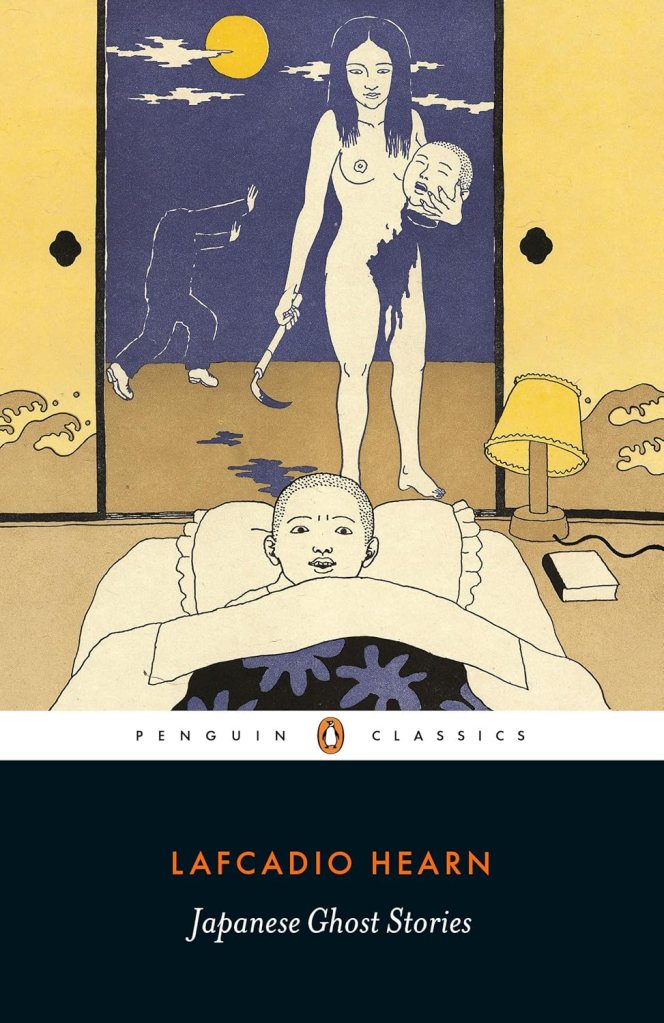
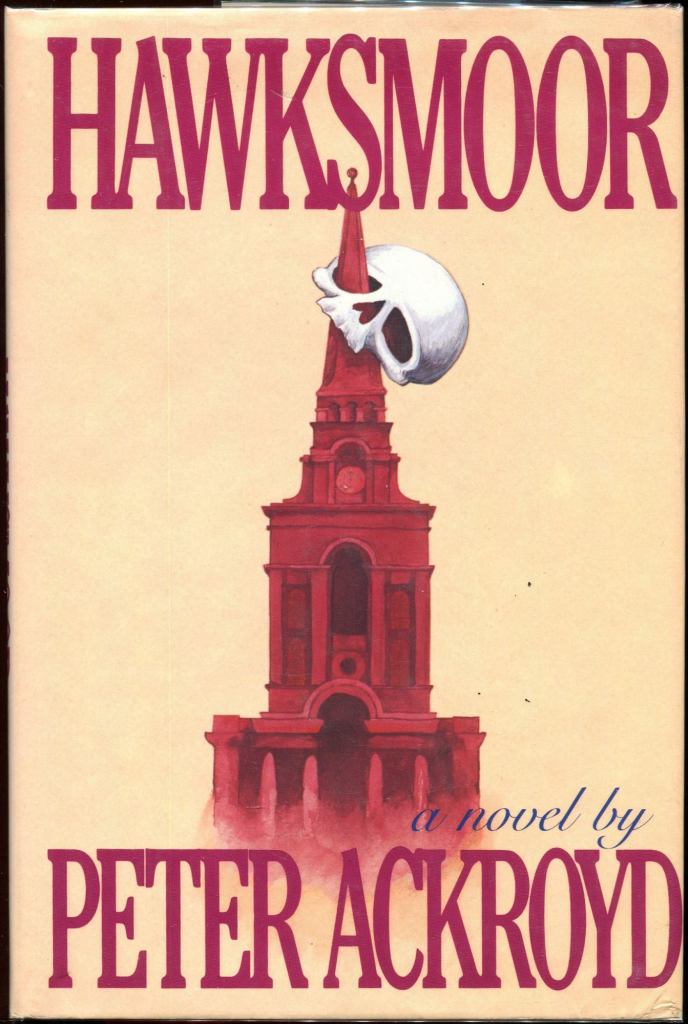
I read some other fiction that falls outside of the aforementioned categories. I was super excited to finally get my hands on a copy of Otto Fredrick’s elusive Count Dracula’s Canadian Affair, and the research for my post on Lafcadio Hearn’s Japanese Ghost Stories led me to see a ghost. I really enjoyed doing the reading for my posts on Nicolas Hawksmoor and Jack the Ripper.

I focused on conspiracies last year when it came to non-fiction. I did a few conspiracy texts this year, but also included some crime, some aliens, some cryptozoology and some general Fortean weirdness. The Mad Gasser of Mattoon was a bizarre highlight. Also, I apologise to anyone who was deeply offended by my silly post on Fascist Yoga. Perhaps the strangest text I encountered was Martti Koski’s My Life Depends on You! In May, I was interviewed on the Bonversations podcast about some of this stuff.

I also did a few books on occultism and Satanism. I think I’m going to be a bit more picky about the grimoires I choose to review on here in the future. I went looking for something quick to review the other day, and after starting a grimoire, I did a little research on the author and discovered that he was literally mentally disabled. Still, I did enough studying of occult lore in 2025 to learn how to raise some tentacled Elder Gods from their deathly slumber. I was also finally able to read a copy of How to Become a Sensuous Witch. It was everything I hoped for.

February of this year marked an entire decade of Nocturnal Revelries. For several of those years, this blog was pretty much my only creative output. This summer, I started writing my own music, and I have been focusing more of my free time on that recently. This is partly why I didn’t post as frequently during the summer. Nevertheless, as the year progressed, I managed to balance my 2 hobbies. I will be taking a course in the evenings over the next few months too, so hopefully I’ll find a way to juggle that too. I have a few bizarre texts lined up for the near future, so please check in regularly.

I’ve written posts like this for 20162017201820192020202120222023 and 2024. I’ve quite enjoyed the blog recently, so I’m sure I’ll be doing another one of these posts at the end of 2026 too.

Thanks, and happy New Year!

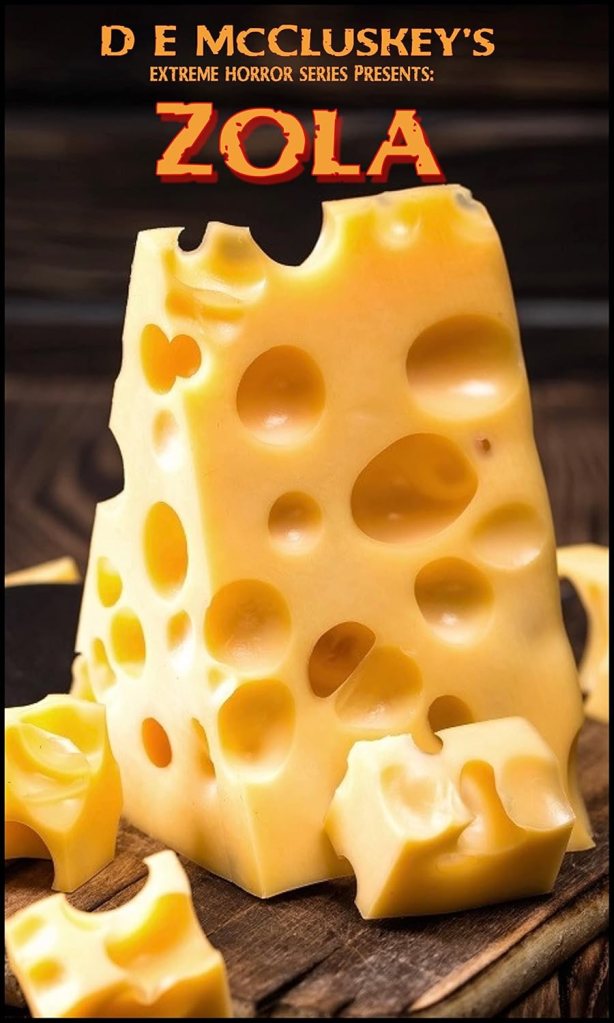
D.E. McCluskey’s Zola

I read A Helping Hand by Celia Dale this week. It was an utterly horrible book, but it was more a horrifying thriller than a horror novel. This left me with only 2 days before my weekly post, so I set out to find something short and fast. I’ve been reading fairly serious stuff recently, and I wasn’t in the mood for anything heavy or thought provoking. I thought back to Aron Beauregard’s The Cuck, a ridiculous splatterpunk horror novel that I breezed through last year, and decided that something along those lines would be perfect. Then I remembered reading about Zola, a notoriously disgusting book that somehow involved cheese. Perfect.

Dammaged Productions – 2021

Yeah, this is ridiculous, disgusting garbage. I don’t mean that in a derogatory way. That’s just what it is. It’s just gross-out scenes following gross-out scenes with little in the way of plot. The basic premise is that an abused housewife murders her husband after finding out that he has raped their son. This leaves them liberated from his abuse, but completely incapable of living a normal life. The results are murder, cannibalism and extremely poor hygiene. There’s cheese involved in all of these. I think that’s supposed to be funny. The characters have to eat cheese when they’re murdering or violating others.

I didn’t like the fact that the author had to use the rape of a child as the catalyst for the story. Yeah, it makes you want the rapist to suffer, but it’s lowest common denominator when it comes to fueling outrage. It’s not really necessary for the plot, and it honestly seemed lazy to me. I’m sure some fans of extreme horror would defend the author and claim I’m too woke or easily offended, but that would make them people who enjoy reading books about children getting abused, so I’m ok with the likes of them not agreeing with me. This element was just horrible. It’s not entertaining or funny.

After the first few chapters, Zola veers into bizarro territory, and nothing bears any resemblance to the real world. It was from this point that I began to enjoy the book. It gets so, so silly. I laughed heartily when Gordon, the main character, started eating handfuls of his own cum and referring to them as Gordoncakes. There was another part where he tries to marinade his mother’s decaying breasts in a shitty toilet bowl that also made me giggle. There’s literally a line in this book that says, “I’ll wrap the steaks in her dirty, then get the gravy from the toilet.” The “dirty” referred to here is the character’s dead mother’s shit filled knickers. LOL. It reminded me of Sea Caummisar’s Scatology, another extremely intelligent and classy novel.

Hopefully it will be another while before I have to resort to this kind of garbage again. I do quite enjoy the silliness, but the edginess grates on me.

John Langan’s The Fisherman

Word Horde – 2016

I don’t remember how I heard of this book, but I picked up a copy recently and really, really enjoyed it.

A man loses his wife to cancer and takes up fishing as a means to occupy himself. He makes friends with another recent widower and they start going fishing together. On the way to a new fishing spot, they stop at a diner for breakfast, and the owner tells them a chilling tale about the spot they are heading to. Nevertheless, they go there anyways.

The story they’re told in the diner makes up the bulk of the book, and it’s probably the scariest part. I was listening to an audiobook version before going to bed, and it scared the shit out of me. I’ve read my share of horror novels, and it’s quite rare that they actually creep me out like this one did. It was horrible and disturbing but purposefully written.

I’ve seen this referred to as Lovecraftian horror, and while I see the influence, this does not read like Lovecraft at all. The characterisation and imagintive plot reminded me of Stephen King at his best. The author used to be a university lecturer, and it seems his work is considered “literary horror”. I was too busy enjoying the book to really notice this except for when the author lifted lines directly from Moby Dick and put them in his own characters’ mouths. I only noticed this because when I read Moby Dick as a young man, I liked these specific lines so much that I wrote them on a sticky note and kept it in my wallet for years.

I know I’m not saying much here, but I deliberately avoided any kind of spoilers before reading this. I’m glad I did, and want you to do so also. Get a copy of this book and read it. I’m confident in saying that this was the most enjoyable novel I read in 2025. I’m looking forward to reading more from this author in the future.

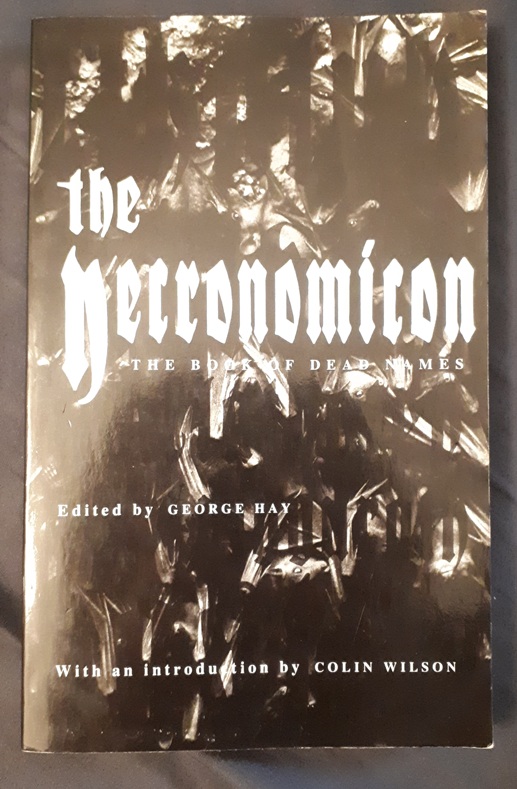
More Necronomicons: The Book of Dead Names, The R’lyeh Text and Al Azif

Exactly 10 years ago, I reviewed the Simon Necronomicon. While that is probably the most famous hoax Necronomicon, there have been others.

Earlier in the year, while I was researching Alan Moore for my posts on Nicholas Hawksmoor and Jack The Ripper, I came across a review he had written of The R’lyeh Text that made me want to read it. After a bit of searching, I realised that The R’lyleh Text was a sequel to a 1978 version of the Necronomicon that’s usually referred to as the Hay Necronomicon after its editor, George Hay.

The Necronomicon: The Book of Dead Names

Skoob – 1996 (Originally published 1978)

Colin Wilson’s book on the occult was one of the first I read in the topic, and while it led me to countless other books and resulted in the creation of this blog, I’ve never bothered to read any of his other works. Actually, my low opinion on Wilson got me in trouble with another historian of the occult a few years ago. Wilson wrote the introduction to this Necronomicon and reading it did not change my opinion of him. He was well read, but full of shit. This introduction is considerably longer than the actual text that it is introducing.

The text of the Necronomicon here is supposedly taken from a ciphered manuscript that had been in the possession of John Dee. It was decoded with a computer program. Wilson presents the claim that Lovecraft’s father had been a freemason and occultist and had somehow acquired a copy of this manuscript and either told his son about it before he went insane or left a copy lying around their home.

The story is obviously bullshit, and the text it presents isn’t particularly interesting. I love Lovecraftian prose and black magic, but these aren’t entertaining if they’re not sincere. None of the rituals in here are things that anyone is going to do. It’s not even like reading a Lovecraftian story where the verbose ramblings add to the suspense. I knew this book was a hoax when I started it, and it felt truly underwhelming reading it.

There’s three essays included after the grimoire part to flesh the book out, but none of them were particularly interesting. One of them was by Angela Carter. I recently read and quite enjoyed her The Bloody Chamber.

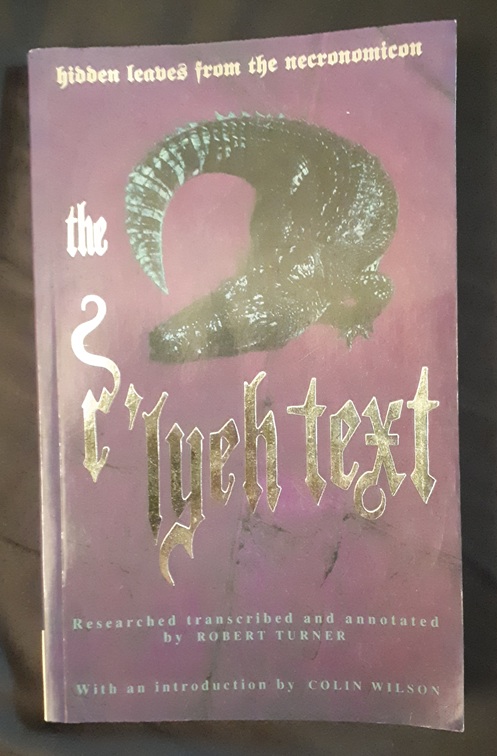
The R’lyeh Text: Hidden Leaves from the Necronomicon

Skoob – 1995

While the Hay Necronomicon went through a few editions, its sequel, The R’lyeh Text, only went through one. This has made it harder to come by at a reasonable price. Let me warn you my friends, don’t spend a lot on this if you’re thinking of buying a copy. It’s boring crap.

There’s another lengthy introduction from Colin Wilson. This one chirps on about Edgar Cayce and Atlantis, the Sirius Mystery, Kenneth Grant, Aleister Crowley, the Marquis De Sade and the Piri Reis maps, all in an attempt to prove that Lovecraft’s mythos stories were based in fact. I was astounded at how boring this introduction was given my interest in the topics it covers. Again though. this may have had something to do with the fact that I knew the book was a hoax and that Wilson was literally bullshitting. I think it may also have had something to do with the fact that Wilson’s writing is a bit dull.

The grimoire text here is the remainder of the text that was published in the Hay Necronomicon, and it is even less interesting. There’s a few essays included too. One of them discusses the Red Book of Appin, and another has put me on the trail of a book about a talking mongoose, but neither was interesting enough to save The R’lyeh Text.

Truly, I was quite disappointed by these books. If you’re going to make a fake Necronomicon, you should to overdo it. Throw mystery and mythology to the wind and include brutally violent rituals of heinous, tentacled evil. Nobody is ever going to believe it, so at least make it fun.

Al Azif – Abdul Alhazred

Owlswick – 1973

The Hay Necronomicon includes a section on a different version of the Necronomicon that had been published in 1973, the Owlswick Necronomicon. (Hay’s book does not make reference to the Simon Necronomicon even though version had come out a year before Hay’s.) The Owlswick Necronomicon is a hoax book that contains a short introductory essay by Lovecraft biographer L. Sprague De Camp in which he claims to have been sold a dodgy manuscript from the Middle East that killed whoever tried to translate it. It’s supposedly written in Duriac, a non-existent language, and it’s actually just a bunch of scribbles. It’s the kind of book that’s just going to take up space on your shelf after a couple of moments of initial amusement.

I’m really thinking of doing a Lovecraft re-read next year. This crap has me longing for the good stuff.

The Books that Villainized Dungeons and Dragons in the 1980s

I have no great interest in role-playing games, but I knew that Dungeons and Dragons was associated with the Satanic Panic of the 1980s, do I decided to look at the books that contributed to its infamy.

Houghton Mifflin Harcourt – 1984

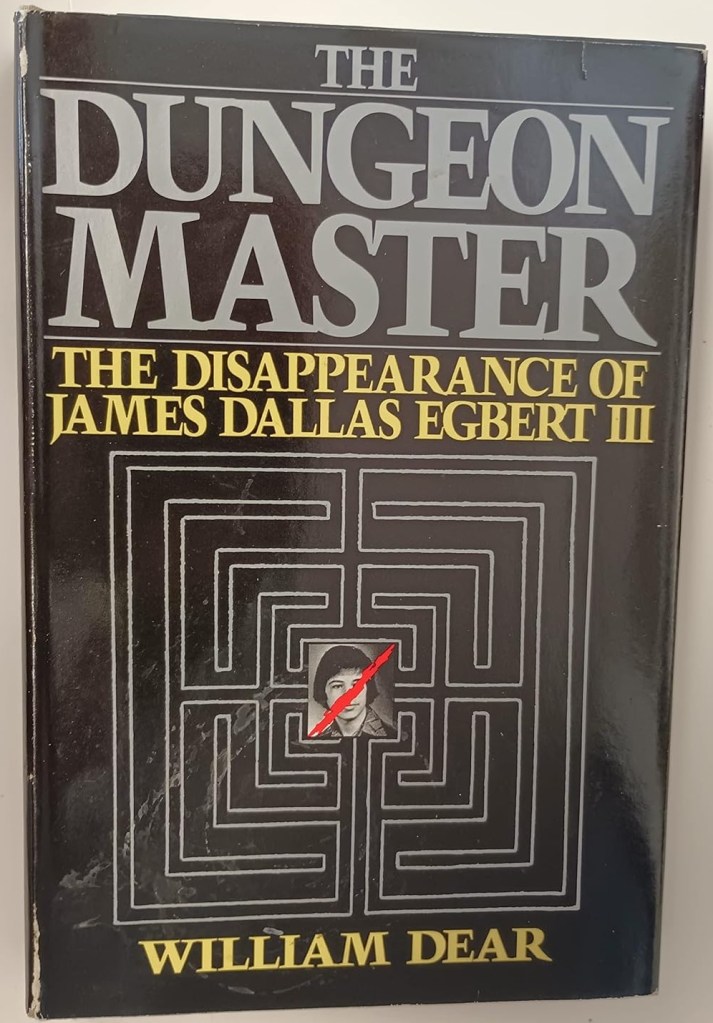
The Dungeon Master: The Disappearance of James Dallas Egbert III – William C. Dear

Dallas Egbert the Third was a weird teenager. He was highly intelligent, but socially awkward. He tried to make up for this when he went to college by taking drugs. He was gay, and he got involved with some shady characters. His mom was pushy, and wouldn’t have approved of his lifestyle, so he decided to kill himself. He went down into the ventilation tunnels under his college so he could die, but he couldn’t do it, so he went to hide out in some of his gay friends’ homes. He was kept drugged and it seems likely he was sexually abused. A private detective, the author of this book, found him halfway across the United States. They returned home, but Dallas put a bullet in his head a few months later. He never gave his full account of what had happened to him when he was missing.

This book was written by the detective who found Dallas. It wasn’t a great book, and the author’s writing style was grating, but in fairness, it’s not overly bullshitty. There is a horrendously drawn out chapter describing the author’s experience playing Dungeons and Dragons, but despite his intial suspicions, he ultimately dismisses the idea that the game had anything to do with Dallas’s fate. The kid was all kinds of messed up. His interest in fantasy games and science fiction seemed like the only parts of his life he enjoyed.

The book is of its time. It repeatedly makes reference to “the gays”, but it doesn’t do so with any kind of malice. If you want to know about this sad and weird case, this is essential reading.

Dell – 1982 (Originally published 1981)

Mazes and Monsters – Rona Jaffe

I had very low expectations when I started reading Mazes and Monsters, and I can say with disappointment that it was exactly what I expected. This is a boring novel with nothing of any value. It’s truly as bad as it looks. Look at that shitty-ass cover again. Fucking lame shit.

This book is about 4 nerds who play “Mazes and Monsters”. All of the chracters are lame and annoying. One is very clearly based on Dallas Egbert, but he isn’t really the protagonist. The main character here gets so involved in the role-playing game that he becomes convinced he’s really a holy magician. He is so strongly convinced of this that he becomes impotent and kills a person. As much of the book is spent describing the backgrounds of the main characters’ parents as is spent on the plot. I assume this was because Jaffe’s audience were mostly middle-aged women with teenage children that needed some point of reference for understanding the plot. This was so, so boring and crap. If I owned a copy of this book, I would take it into the forest and defecate upon’t. The only good part was when one of the main characters’ mothers goes on a date with a gentleman who expresses disappointment over her haircut because her formerly long, curly hair had reminded him of pubic hair. Such a bizarre detail to include. I’m willing to bet that the author’s minge was infested with pubic lice.

Mazes and Monsters was published the year after Dallas Egbert died, and while it does make it seem like role-playing games are probably dangerous for impressionable youths, it doesn’t really try to link role playing games with the occult. Still, it’s a piece of shit, and you shouldn’t read it.

Chick Tracts – 1984

Dark Dungeons – Jack Chick

This is a Chick Tract that came out in 1984 that claims that playing Dungeons and Dragons leads to suicide and Satanism. It’s silly rubbish. Read it here.

Berkley – 1982 (originally published 1981)

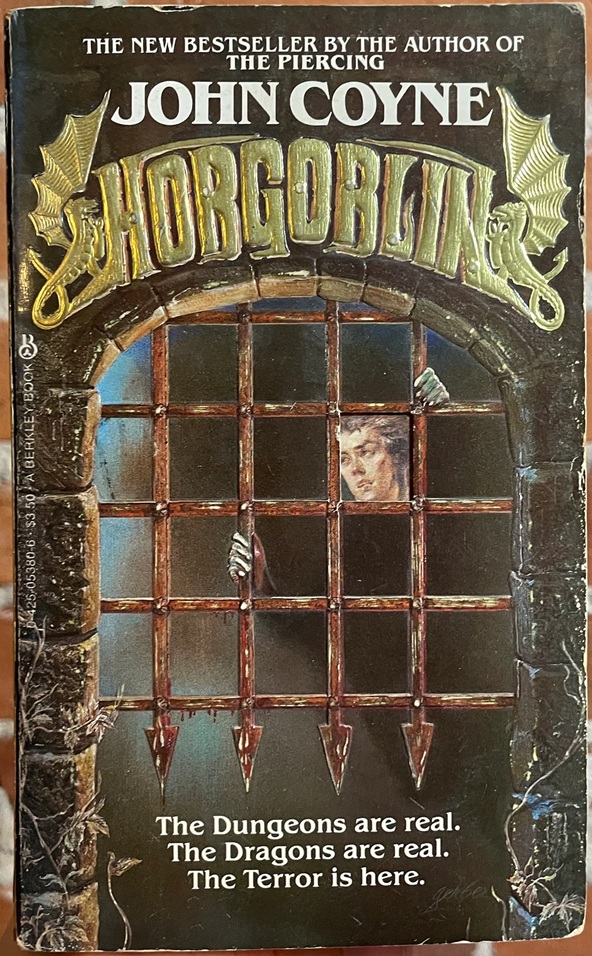
Hobgoblin – John Coyne

I’m throwing this book in here because other authors have linked it to the furor around RPGs in the 1980s. It’s about a young man who becomes obsessed with a game called Hobgoblin, but none of the really bad stuff that happens in here comes as a result of the game. Coyne’s book is more of an entertaining novel that features an RPG than a statement on the dangers of those games.

So a nerdy kid’s dad dies, and him and his mom have to move to a small town where she can work in the local castle. The caretaker there is a creepy Irish immigrant, and the manager starts fucking the boy’s mom. The boy is a stupid virgin, and chooses to start fights with the local football players instead of banging the hottest girl in school. It turns out there’s a weirdo living near the castle who likes murdering and sexually assaulting people.

So many parts of this book were completely unbelievable, but it was decently entertaining. There’s one part where two of the local jocks kidnap a girl, tear off all her clothes and abandon her, tied to a tombstone on the top of a hill. Then they break into the protagonist’s house and sexually assault his mom. Nobody does anything about this, and they face no repercussions. I know that attitudes toward sexual violence have change since the 1980s, but this was ridiculous.

The Irish elements were mildly interesting. The role playing game here, Hobgoblin, is set in Ireland, and all the characters in the game are supposed to come from Ireland. I didn’t recognize quite a few of them. I looked it up, and one of the main bad guys, the Black Annis, is actually from English folklore. Also, the old Irish caretaker character is very weird. Are we supposed to feel sorry for him or repulsed?

Ok, I’m going to include spoilers in this paragraph, so skip ahead if you want to read the book. I’m a bit confused about the ending. I just finished the book, and I don’t really understand what happened. The main bad guy was a badly brain damaged geriatric who must have been more than 80 years old. Despite this, he was able to brutally murder a bunch of people by himself over the course of about half an hour? Did he have some kind of magical power? Why was he killing people in the first place? Did I miss something?

Hobgoblin was alright. I don’t regret reading it. Mazes and Monsters was a mouthful of salty diarrhea. Dear’s book about Dallas Egbert was interesting as a historical source, but it wasn’t a particularly enjoyable book. I am quite done with books about Dungeons and Dragons.

American Cryptids: Linda S. Godfrey’s I Know What I Saw

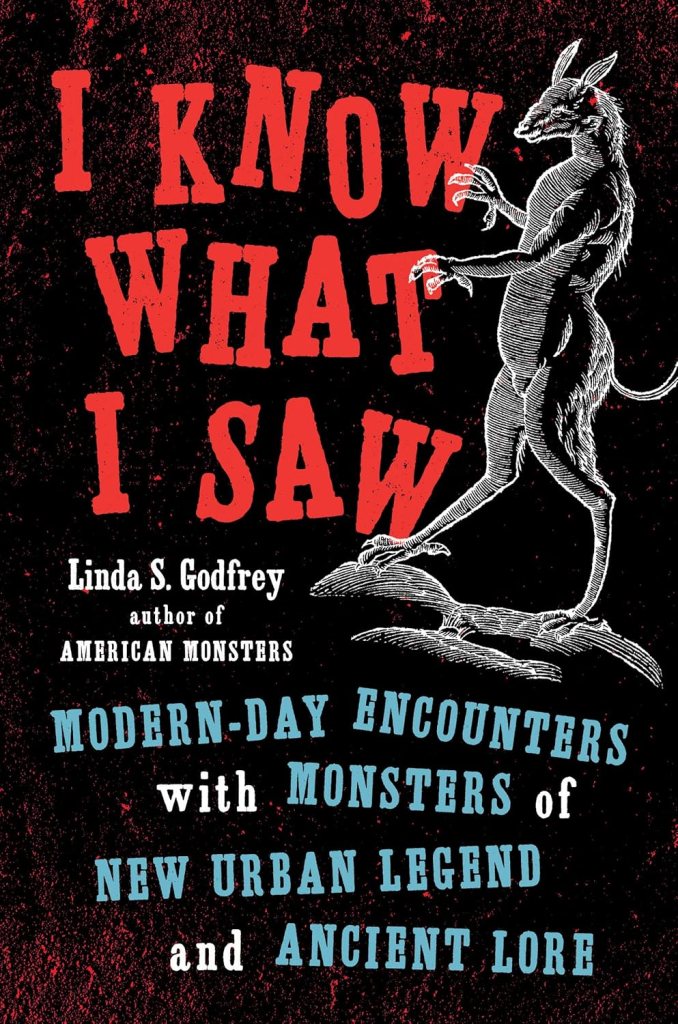
Audiobooks about the topics I’m interested in are difficult to find (for free). A few weeks ago, I saw an audiobook version of Linda S. Godfrey’s I Know What I Saw, a book about American cryptids, and decided to give it a go. I hadn’t heard of Godfrey before, and seeing that the book was published by Penguin, I thought it could be quite good. I’ve read a few books about Fortean topics by accomplished writers that walk a very entertaining line of openness and critical thinking, and I guess I was hoping for something along the lines of Jon Ronson‘s conspiracy theory books. Cryptozoology is an interesting field, but many of the books on this topic are completely devoid of skepticism.

I Know What I Saw – Linda S. Godfrey

TarcherPerigee – 2019

Unfortunately, I Know What I Saw is another of these books. The author presents countless sightings of cryptids (mostly dog-like creatures), none of which are difficult to dismiss as bullshit. I am sure Godfrey received less believable accounts that she didn’t include, but that doesn’t make the stuff in here any more credible to an ordinary person who doesn’t spend all their time reading about monster sightings.

The fact that I only recently finished reading McEwan’s Mystery Animals of Britain and Ireland may have affected my enjoyment of Godfrey’s book. Both texts are similar books about different locations, but Godfrey’s book is made up of reports sent to the author over the internet rather than accounts in other books or newspaper clippings. McEwan’s book didn’t convince me of anything, but I am definitely biased against information sent over the internet, and Godfrey’s book seemed more credulous because of its sources.

Another thing that really set me against this book was the author’s claim in one of the opening chapters that, “the Scandinavian countries became largely Christianized around 1000 BCE”. I heard the narrator read that and assumed that it was a mistake, but then I checked an ebook copy of the book and was able to confirm that Godfrey did actually claim that Scandinavia was somehow Chrstianized an entire millenium before Christ was born. Everyone makes mistakes, but I find it hard to imagine how this one was published.

There’s descriptions of encounters with Bigfoot, Goatman and a few other weirdos, but not much stuck out to me. The weirdest part was the account of a man who saw 2 dogs whose movements were so similar that he thought were robots. There’s another part where the author discusses if Bigfoot might be descendants of the Biblical character Esau. This is silly nonsense.

Whitley Strieber’s Early Horror Novels: The Wolfen, The Night Church and Black Magic

It’s roughly a decade since I first reviewed a book by Whitley Strieber. I hadn’t been into this stuff very long, and I was shocked at how stupid the book was. I read the next book in his series about getting diddled by aliens a few months later, and a couple of years after that I managed to make it through the third book. Although I’ve had the 4th entry in the series on my shelf for years, I’ve never been able to convince myself to open it. What I had read of Strieber made him seem an unbearable twat, a boring, self centered gobshite.

I knew from the outset that he had been an author of horror novels, but his alien books were so cumbersome that I had no desire to read his fiction until. It was only when I became more interested in paperback horror a few years later and discovered that some of his horror novels seemed to be held in high regard that I decided to give his fiction a chance. He wrote 4 horror novels before switching to fantasy in the mid 80s. (It was a few years later that he moved on to “non-fiction” about aliens.) Over the last 8 months, I have read 3 of his 4 early horror novels. The one I didn’t read, The Hunger, seems to be considered one of the better ones, but it has sequels, so I am saving it for a separate post.

Avon – 1988 (Originally published 1978)

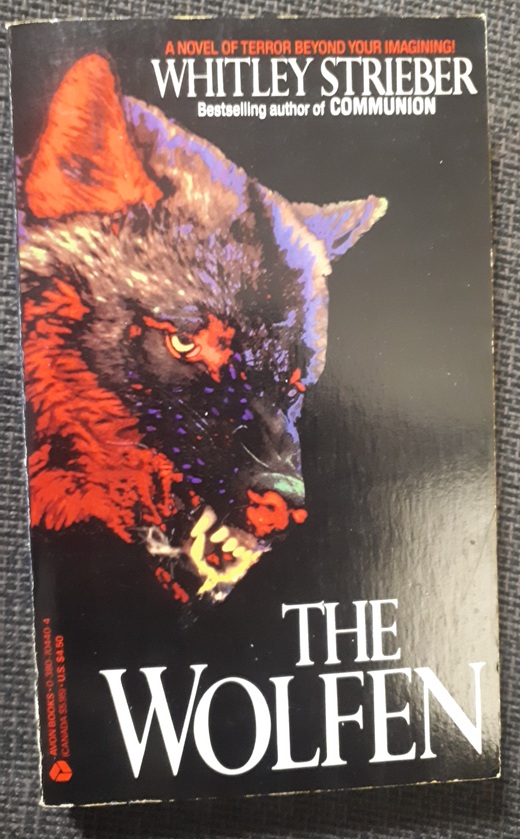
The Wolfen

I read this a few months ago and didn’t bother taking notes. It’s about a pair of detectives trying to solve a series of grisly murders committed by superwolves (not werewolves). It wasn’t utterly amazing or anything, but it was competently written and definitely of a higher standard than a lot of the paperback horror boom. I quite enjoyed it.

Grafton – 1988 (Originally published 1983)

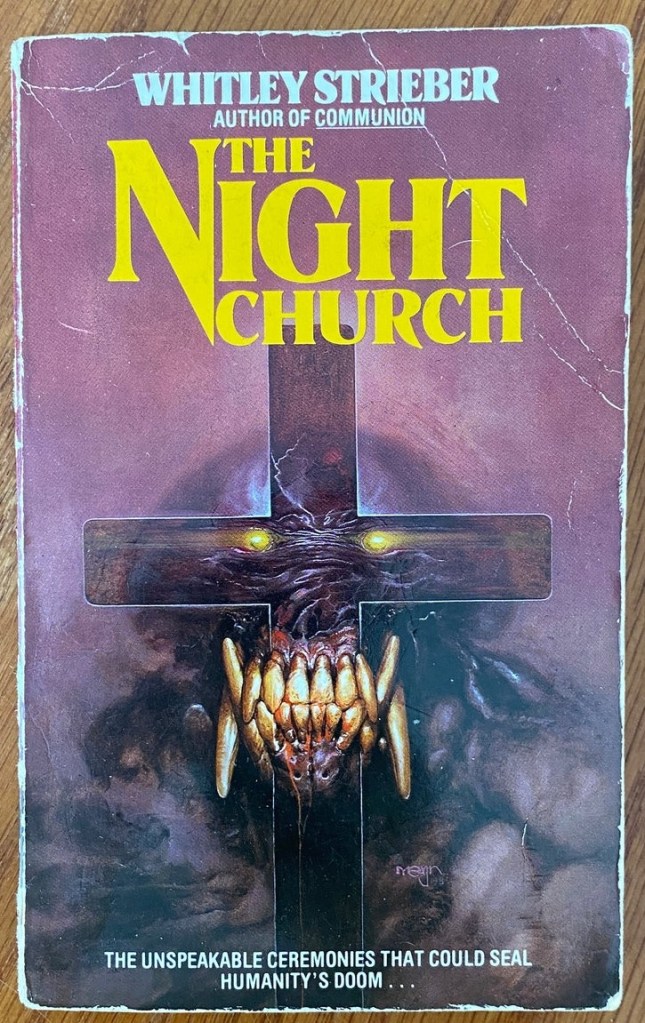
The Night Church

I was expecting to enjoy this one more as it deals with Satanists rather than werewolves. The different covers are really too. Look at the one above! Unfortunately, the story is boring. A young couple falls in love only to discover that they have been bred to breed the Antichrist. I read this a few months after reading all of the The Omen novelizations, and maybe the similarity to those is what made this seem underwhelming. After finishing this, I waited roughly 6 months until I could convince myself to read another book by Strieber.

Granada – 1983 (Originally published 1982)

Black Magic

I bought a copy of this book after seeing the cover online years ago. Unfortunately, this is a spy novel with only a touch of occultism. The plot is complicated and involves 4 different story lines. There’s the good guy, the evil, gay, psychic Iranian teenager and then 2 Russian communist generals who hate eachother. They’re all working against each other, and I didn’t care about any of them. This was boring crap, and I was very relieved to finish it.

The Wolfen was pretty good, but The Night Church and Black Magic were a waste of my time. I do plan to read The Hunger in the future as I’ve heard it’s one of his better efforts. I doubt I will ever return to Strieber’s non-fiction.

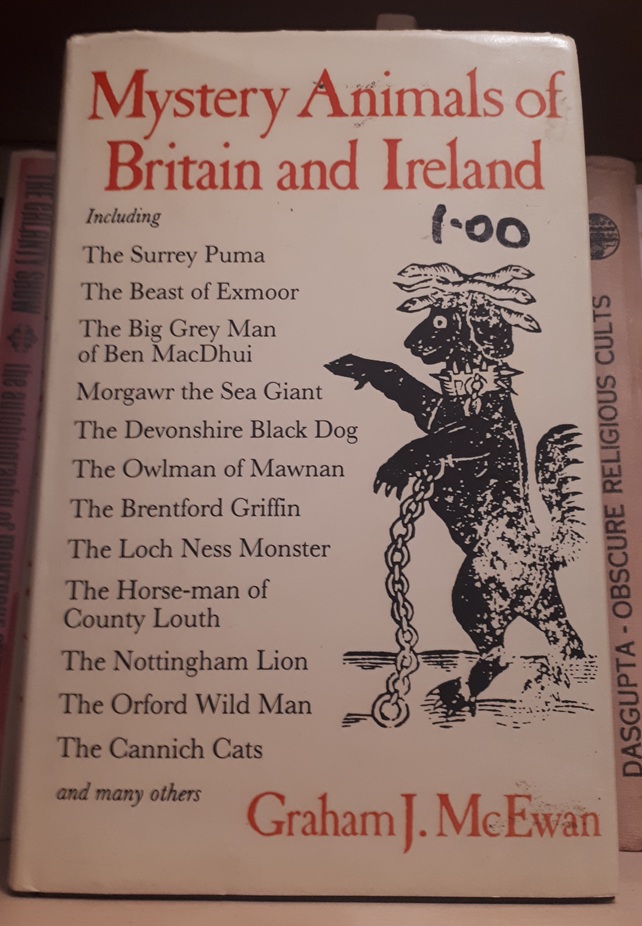
Graham J. McEwan’s Mystery Animals of Britain and Ireland

I’ve been running this blog for a long time, and there are occasions when I feel like I’m running out of books to read. A few years ago I was a bit stuck, so did a google search for Fortean books. I had read a lot of the results, but there were a few titles that piqued my interest. One of these was Graham J. McEwan’s Mystery Animals of Britain and Ireland. It took me a few years to track down a copy, and once I got my hands on one, it lay on the shelf for over a year before I actually read it.

Robert Hale – 1986

In truth, this book was largely quite boring. It deals with 4 main categories of cryptids: big cats, sea serpents, lake monsters and black dogs. The chapters on these topics are mostly made up of reported sightings. This is thorough, but it makes for dull reading.

I’ve come across the large cat thing before. There definitely seems to be something to these sightings, but it seems certain that the majority of these cases were escaped pets. They’re not cryptids or supernatural beings. The lake monsters and sea serpents sections make repeated references to Tony “Doc” Shiels, a man who managed to see and take pictures of both the Loch Ness monsters and Morgawr. It is widely accepted that he faked these sightings and photographs. None of the water monster stuff seemed remotely convincing to me. The last big category, the black dog sightings, is perhaps the most underwhelming. People all around rural Ireland and the UK have reported seeing large black dogs roaming around at night. It’s not hard to imagine a person encountering a stray or escaped dog in the countryside at night. Dogs all look black when it’s dark. The supernatural elements of these stories are silly.

The best part of the book is the penultimate chapter in which the author lists all of the other cryptid reportings from across Ireland and the UK. These feature the Owlman of Mawnan, the shoggothic Shapeless One of Somerset and the Scottish fox that walked on two legs and wore a top hat that I encountered previously in Affleck Gray’s The Big Grey Man of Ben MacDhui. I think the reason this book initially appealed to me was the fact that it dealt with Irish cryptids too. I’ll try to pay a visit to the lake monster in Lough Bray and the giant black dog of Templeogue the next time I’m home. I may even go looking for the elusive Horseman of Louth if I have the time.

One of the most interesting parts of the book was on the Hexham Heads. These were a set of stone heads that showed up in the 1970s that had supposedly been carved by the ancient Celts. There were reports that anyone who took them home suffered bad luck, and one family was even attacked by a werewolf for taking them. These heads disappeared soon after they found media attention. Although I hadn’t heard of these carvings before, their story seemed remarkably familiar. I then realised that it’s the exact plot of Paul Huson’s The Keepsake, a horror novel that I reviewed a few years back.

There is some good stuff in this book, but read cover to cover, it’s not hugely entertaining. It’s more fun to flick through to search for things from your specific area of interest. Aside from the reports of sightings, the book also contains a limited amount of postulation on the nature of the creatures. I found this quite similar to the arguments in Ted Holiday’s The Goblin Universe, a book that is referenced multiple times throughout McEwan’s text.