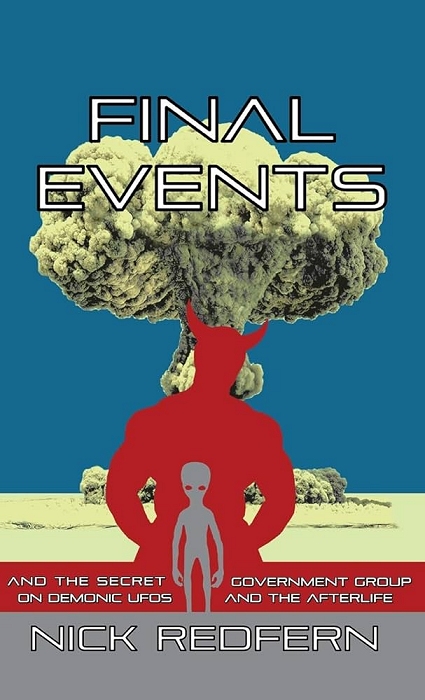
Final Events and the Secret Government Group on UFOs and the Afterlife – Nick Redfern
Anomalist Books – 2013
Aliens are not extraterrestrials, they are demons that were set loose by Jack Parsons, and they are trying to bring about the end of the world. (They may also be harvesting human souls.) The Collins Elite, a top secret group within the United States government know about this, and they have been working for decades to make sure this doesn’t happen. (Then again, it is possible that all of the information they have been given/putting out has been disinformation. They may unwittingly aid Satan in bringing about the apocalypse.)
There’s some novel details in here, but the basic premise behind this book (that aliens are demons) is one I have encountered a few times before. The most surprising element of Final Events is that its intended audience seems to be conspiracy nuts and fans of Forteana rather than just evangelical Christians (unlike Bob Larson’s UFO book and Basil Tyson’s UFOs Satanic Terror. The problem is that if you don’t believe in Jesus-hating demons, none of this seems remotely convincing. If you’re not a Christian, there’s no real threat being presented, and all of the people claiming that Aliens are Satan’s henchmen just seem like idiots. Redfern doesn’t come across as preachy, but it does feel like he is trying to frighten his Christian readers. I suppose that is a noble thing to do.
I know that the US government has put money into researching bizarre ideas, and I’m sure there’s some military guys who do think that aliens are evil, but this is clearly a book of bullshit. It’s not even a case of misinterpretations either. Most of this was obviously just made up. I’m not saying that Redfern made it up himself, but if he didn’t, his sources definitely did. The guy who put him onto this story was a priest who had been approached by members of the ultra-secretive Collins Elite. I liked the first few chapters, but after a while it got a little boring. Many of the sources it references are absolute tripe too. It discusses both the work of Kurt Koch and Psychic Discoveries Behind the Iron Curtain. It also mentions last week’s book, the bizarre Round Trip to Hell in a Flying Saucer. Seeing all these titles mentioned alongside the work of my old friends, Whitley Strieber and Aleister Crowley, was fun. It’s nice to know that there are other people out there who spend their time reading this stuff.
Final Events didn’t exactly blow me away, but I enjoyed reading it. I am quite sure that I’ll be reading more books by Nick Redfern in the future. Apparently he has one in which he claims that the alien bodies found at Roswell were actually those of progeria patients. LOL. Definitely checking that one out soon.
A couple of years ago, after I posted about UFOs Satanic Terror, my pal put me on the trail of another book on the same topic called Round Trip to Hell in a Flying Saucer. With a title like that, who could resist? I finally got my hands on a copy yesterday.
Vantage – 1955
Cecil Michael, a mechanic, goes out for a walk and he sees a UFO. A few days later, 2 weird men come into his shop and stand there looking at him. They’re tall, strong, handsome looking men, but they’re weirdly silent and they scare Cecil. He gets really freaked out once they start turning transparent in front of him. They stay in his shop all day, disappearing whenever a customer comes in, and then leave at 4.30. Cecil knows almost immediately that they’re from space. The same thing happens the next day, and the day after that.
These lads are really annoying, and Cecil frequently wants to punch them in their fool faces, but he’s too afraid/in awe of them. Despite that fact that they are capable of speaking telepathically, they say almost nothing to Cecil. At one point they show him their insides. They are made of tubes and electronic parts. They’re a real pair of jackasses.
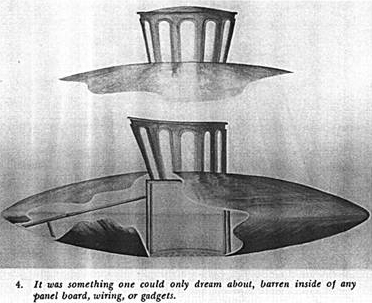
The spacemen do the same thing every day for a couple of months and then take Cecil for a ride in their spaceship. To do so without inconveniencing Cecil, they create a robot clone of him that stays working in his shop while he’s away. Cecil’s brother ties him to the inside of the spacemen’s flying saucer, and they fly away from Earth and land on a red planet that’s mostly on fire.
When they land, the 2 spacemen stay in the UFO, but Cecil gets off and meets a scruffy bum who tells Cecil that he has a job for him. Cecil doesn’t want the job, so the bum gives him some horrible food and introduces him to his other workers. They are small pygmy men. Their job is to throw corpses into a lake that carries the corpses into a fire. Cecil tells the bum again that he doesn’t want the job, and the bum gets angry with him. Then Jesus appears in the sky. Cecil tells the bum that Jesus will make sure that he doesn’t have to work for him.
The aliens take Cecil back to Earth. After a few more days, they stop showing up in Cecil’s shop because he has been smoking too many cigarettes.
That’s what happens in this book. It’s such a ridiculous story that I find it hard to imagine the author thinking that anyone would believe it. Some of the details are so arbitrary that it reads more like a description of a nightmare than a cohesive narrative. The part where his brother helps him into the spaceship makes no sense. Also, it’s very unclear as to whom the spacemen are working for. Cecil is full of praise for them, but it does seem that they are under the employ of scruffy old Satan. If I was going to make up a story about being kidnapped by spacemen and taken to Hell, I would make the story more cohesive. Maybe this account was just a dream and Cecil Michael thought it was real.
This isn’t like the other Satanic alien books that I’ve read in that it’s not preachy. While Jesus acts as a saviour here, it seems like it’s more a hologram of Jesus than the real guy. This book doesn’t come close to Larson or Tyson’s attempts to use aliens to scare people into Christianity. Round Trip to Hell in a Flying Saucer is a unique and truly bizarre book.
Round Trip To Hell in a Flying Saucer came out first in 1955, but it was republished in 1971 in New Zealand. Copies of these editions are very hard to find, but the complete text was republished in Round Trip To Hell in a Flying Saucer: UFO Parasites – Alien Soul Suckers – Invaders From Demonic Realms Paperback, a 2011 anthology on Satanic aliens compiled by Timothy Green Beckley and Sean Casteel. I may well turn to that book in the future.
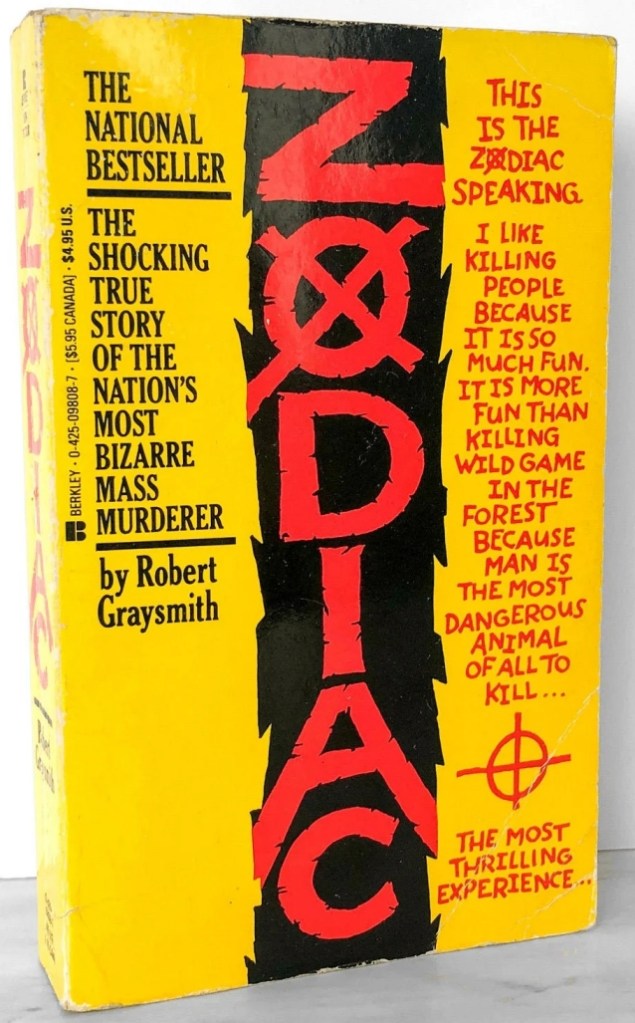
I’ve been planning on reading Robert Graysmith’s Zodiac for a while. I’ve gotten into weirdo true-crime books recently, and this is the book that served as the basis for the 2007 movie of the same name. The Zodiac killer, in case you don’t know, was a freak who killed 5 people over the course of a year and then spent 5 years writing threatening and bizarre letters to newspapers. For one of the attacks, he wore an executioner’s hood with his weird symbol sewn onto it. He claimed to have killed 37 people, but there is no proof that his kill count was this high. His letters boasted of collecting souls to serve as his slaves in the afterlife, and some of these letters were written in code. One of these codes was only cracked a few years ago. This guy was a real weirdo. Robert Graysmith was a cartoonist at the San Francisco Chronicle, one of the newspapers that received Zodiac’s first letters. He followed the case as it progressed and kept researching it for years after the Zodiac stopped sending letters.
Berkley Books – 1987 (First published 1986)
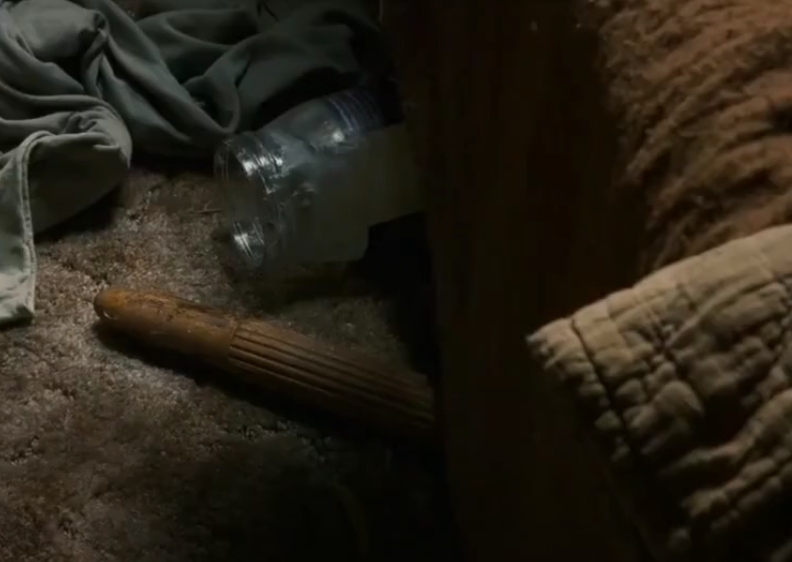
Zodiac lays out the facts of the case and focuses on pinning the blame on one particular subject, Bob Hall Star. Bob Hall Star is a pseudonym for Arthur Leigh Allen. Allen was the only person named by police as a Zodiac suspect. He was in the areas when the murders took place, he had bloody knives in his car on the day of one of the killings, he told his friends that he planned to become a killer named the Zodiac, and bombs were found in his house. Nobody was ever able to prove that he was the Zodiac, but it was proven that he molested children and didn’t wash his dildos after shoving them up his own ass.
“Several large, uncleaned dildos rolled out at his feet.” – Zodiac Unmasked: Chapter 8
I’m not convinced that Arthur Leigh Allen was definitely the Zodiac, but I really enjoyed this book. It’s well researched non-fiction, but it has a strong narrative, and it almost felt like a novel. I also really liked the movie that was based on it. You should definitely watch that if you haven’t.
So Zodiac was published in 1986, but Arthur Leigh Allen was still free at that time, and nobody had been charged in the Zodiac case. In 2002, Graysmith put out a second book on the Zodiac case containing information that came to light after his first book had been published.
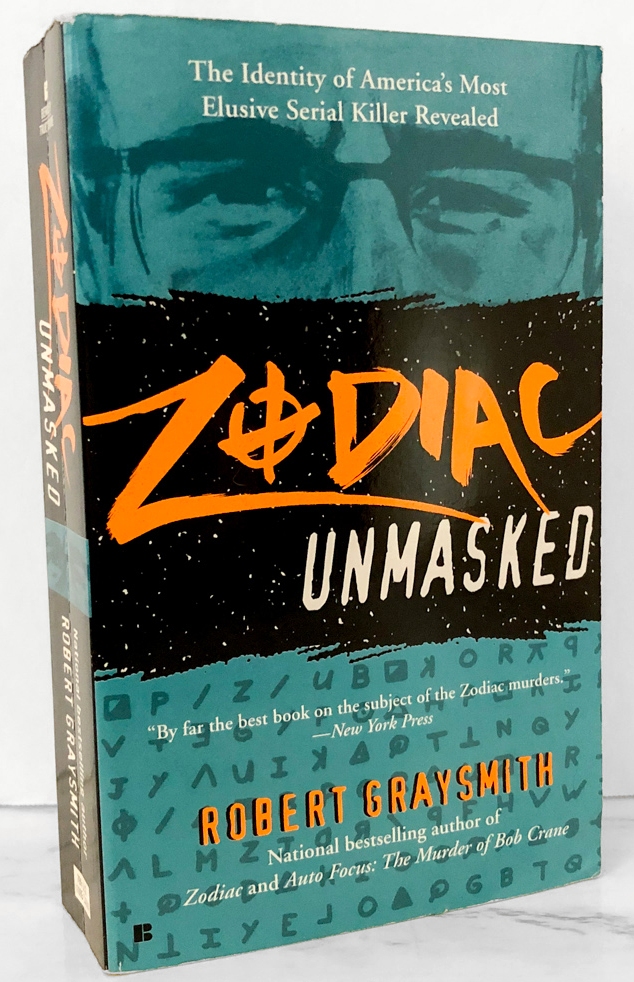
Berkley Books – 2003 (First published 2002)
Zodiac Unmasked is roughly twice as long as the first book. It’s not nearly as entertaining. The narrative structure and suspense have been replaced with meticulous, repetitive and sometimes boring detail. While the first book reads like a novel, the second feels like a vendetta. Robert Graysmith was certain that Allen was the killer.
I think that Arthur Leigh Allen was a disgusting human and a good suspect, but his handwriting and DNA didn’t match that found on the Zodiac artefacts. It’s certainly possible that he found a a way to make that happen, but it’s also possible that he was just an attention seeking creep who enjoyed the notoriety that came with being a suspect.
The first book sold millions of copies. It’s tells an interesting story. The second book merely presents more evidence to believe that story and will only be interesting to people who are already super interested in the Zodiac case. While the movie was based on both books, only a few scenes in the movie are based on parts of the second book. Admittedly, my favourite scene, the interrogation of the suspect, is taken from Zodiac Unmasked.
One of the most interesting parts from Zodiac Unmasked was the description of stuff that was found in Arthur Leigh Allen’s House after he died. The police found child-porn, bombs, guns and a video cassette. They weren’t allowed watch the video until they got special permission, but they were hoping that it might contain a confession or perhaps even footage of one of the Zodiac murders. When they got the permission and finally watched the tape, it was a video of Arthur Leigh Allen mooning the camera.
The Zodiac and Arthur Lee Allen, AKA The Dirty Dildo Boys
While it wasn’t as good as the first book, I still quite enjoyed Zodiac Unmasked. I listened to an audiobook version, and I found its repetitive nature quite soothing. It was the perfect thing to listen to before falling asleep. There are other books on the Zodiac Killer, and I may well read them in the future. It really is a fascinating case.
I was originally planning to post about a different book today, but then I discovered a 600 page sequel that I felt I should read before posting about it, so I had to read something quick to get a post done on time for the weekend. I haven’t had to resort to reading anything from Finbarr in almost a year, and I know that I probably say this every time, but I genuinely think this was the worst one yet.
The general idea here is that if you think about getting the things you want, you will get them. The message of this book is dumb, but the amount of effort put into pushing this message is minimal. Cliff R. Stevens treats his readers like the morons they definitely are. I have summarised the entire text below.
If you want to get a thing, you must really want the thing. This is 2/3s of the work. For 10 minutes after work and 10 minutes before bed, think of getting the thing you want. If this approach doesn’t work it’s your fault. Don’t blame the Occult.
Don’t give up, and don’t be dirty and visualise somebody else’s wife. Also, don’t worry about this approach working or not because doubts interfere with the magnetism of your desires. Unfortunately, this approach might not work well with personal health problems because they cloud the mind and interfere with visualisation. It’s ok to visualize material things because God wants us to have things. that’s why he made them.
There you have it. Pure crap. The only part of this book that I found easy to swallow was when the author stated:
Ingo Swann was one of the big names in the development of remote viewing. One of the characters in the movie version of The Men who Stare at Goats is based on him, and he did actually work with the American government on bizarre military projects attempting to harness psychic power.
Penetration: The Question of Extraterrestrial and Human Telepathy – Ingo Swann
Self Published – 1998
This book, published in 1998, tells of how Ingo was approached by a weirdo named “Axelrod” in the early 1970s to work on a top secret project. Axelrod may have been a US government agent, a Russian spy or maybe even an alien. If I remember correctly, Ingo drew Axelrod’s attention by boasting of visiting Jupiter with his mind. Anyways, once he agreed to join the project, Ingo was kidnapped by a weird set of twins (possibly clones or aliens) and taken to a secret location. Then Axelrod gave him some coordinates on the dark side of the moon and Ingo visited them (in his mind). There were aliens up there, and they were able to see Ingo even though his body was actually on Earth. Ingo came back pretty quickly once he had been spotted.
After this, Ingo went home and got back to work. This was the kind of thing that happened to him regularly, and he actually completely forgot about it until he saw a really sexy lady in a grocery store a few years later. He walked closer to her to get a better look at her boobs (really), and then saw the weird twins that had kidnapped him for Axelrod a few years prior. Once he saw them, he realised that the sexy lady was actually an alien, so he ran away.
He was contacted by Axelrod shortly after, and they arranged to meet up again. Axelrod flew him up to Alaska to show him a UFO. The UFO almost killed them with a death-ray, but they hid behind a rock and managed to escape.
The rest of the book presents Swann’s arguments for the moon being an alien spaceship. Ever wonder why we stopped going there in the early 70s? It’s because NASA knows it’s full of aliens. There’s a lot of nonsense about government cover-ups and conspiracies. They don’t want us to know the moon is full of aliens, and they really, really don’t want us to know that we all have psychic powers.
This is stupid garbage. The bullshit story at the beginning was moderately entertaining, but the spew at the end was pure diarrhea. It’s sad to think that there’s twats out there who take this kind of crap seriously. I wouldn’t normally allow myself to read a book about remote viewing, but the cover and title of this one made it hard to resist. Not only does the book fail to keep the promises made by the cover image and titillating title, but it also completely fails to answer the question that makes up the subtitle of the book. The notion of telepathy between extraterrestrials and human is barely touched upon. Swann wrote another book on “psychic sexuality” that I considered reading for a laugh, but I don’t think I’ll bother.
This is a book of texts that the government and the mainstream media didn’t want you to see! I use the past tense there because the stuff in here is very dated. It’s a Feral House compilation job, similar in style to Apocalypse Culture. I’ve had copies of the Apocalypse Culture books for years, but I’ve never read through either from start to finish because I don’t want to read the paedo-stuff. (Both books contain essays from real creeps.) I only read Secret and Suppressed because it contains “Sorcery, Sex, Assassination and the Science of Symbolism”, an extended version of James Shelby Downard’s Kill King 33° essay which was originally published in the first edition of Apocalypse Culture. The second edition of Apocalypse Culture replaced Kill King 33° with “The Call to Chaos: From Adam to Atom by Way of the Jornada del Muerto”, another piece by Downard. The second volume of Apocalypse Culture contains an entirely separate essay by Downard called “America, The Possessed Corpse”.
While “Sorcery, Sex, Assassination and the Science of Symbolism” is a longer version of the “Kill King 33°” essay in Apocalypse Culture, it’s actually not quite as long as the document titled “Kill King 33°: Masonic Symbolism in the Assassination of John F. Kennedy”. This document was co-written by our old pal Michael A. Hoffman II. This contains a few more details than the version in Secret and Suppressed. These extra details deal with stuff from Downard’s autobiography.
Honestly, all versions of this essay are truly ridiculous nonsense. The main idea is that JFK was assassinated by the Freemasons. The proof for this lies in the spellings of certain words and how they might be translated, some numerological nonsense, and some not-so-coincidental coincidences. Apparently the three tramps, the ones photographed in the park after JFK was killed, represent 3 of the characters in Waiting for Godot, Samuel Beckett’s 1949 absurdist play. Godot, the character who never shows up in that play, is obviously JFK. This play was written 14 years before Kennedy’s assassination. I assume Samuel Beckett was a member of the Illuminati to have this kind of foreknowledge. Later on, Downard points out that the guy who killed Lee Harvey Oswald, JFK’s alleged assassin, was named Jack Ruby. RUBY! Ruby slippers! Ruby slippers send you home. Jack Ruby sent Lee Harvey Oswald home! This has been there the whole time, and we didn’t notice it! WAKE UP!!!
Honestly, I was planning on doing a more in depth post on the writing’s of James Shelby Downard, but this has been enough. He was either a very insane person or a CIA psyop to make conspiracists look crazy.
Here’s a recap of the other pieces in Secret and Suppressed:
An Open Letter to the Swedish Prime Minster From a Survivor of Electromagnetic Terror
Robert Naeslund
This dude believed he was a victim of a mind control experiment. Boring.
Remote Mind Control Technology
Anna Keeler
Unreadable technical writing about mind control technology. Barely skimmed this one. Probably all true, but I’m not really interested.
Is Paranoia A Form of Awareness?
Kerry W. Thornley
The dude who knew Lee Harvey Oswald and created Discordianim reflects on conspiracy theories.
Sorcery, Sex, Assassination and the Science of Symbolism
James Shelby Downard
Discussed above.
Subliminal Images in Oliver Stone’s JFK
Dean Grace
A list of what the title describes. I haven’t seen that movie in years. I didn’t rewatch to check the list. Maybe I will when I am old and have more free time.
Terminator III
Associated Press
Newspaper articles about racist games that were available in the early 1990s. It’s surprising how naive people were about the insidious ways we would come to use technology.
The Masonic Ripper
Jim Keith
Jack the Ripper was a freemason. I came across this idea in Alan Moore’s From Hell. I assume it’s originally from another book.
The Erotic Freemasonry of Count Nicholas von Zinzendorf
Tim O’Neill
There once was a mason named Nick, He liked others to play with his…
Rumors, Myths and Urban Legends Surrounding the Death of Jim Morrison
Thomas Lyttle
I thought Jim Morrison was cool when I was 15. I become less interested in him as each year passes.
The Last Testament of Rev. Jim Jones
Jim Jones
This is a transcription of the Jonestown Death Tape. I had heard this recording before, but not since becoming a parent. I was able to read this, but I couldn’t listen to the recording of the babies screaming while their parents murdered them. Too much.
The Black Hole of Guyana
John Judge
This essay posits that the People’s Temple commune was a CIA experiment. I reckon it’s easier for some people to believe that a faceless government organisation would be capable of committing such an atrocity than any one specific person. Jim Jones was a real cunt.
Behold, A Pale Horse A Draft of Danny Casolaro’s Octopus Manuscript Proposal
Kenn Thomas
I am planning on reading Thomas’s book about the Octopus and Danny Casolaro soon.
Why Waco?
Ken Fawcett
The Waco tragedy was deliberate. Duh.
An Invitation to War
Ambassador April Glaspie & Saddam Hussein
American diplomat encouraging Saddam to start a war.
Inside the Irish Republican Army
Scott Smith
Scott Smith interviews an Irish freedom fighter. Brits out.
Recipes for Nonsurvival: The Anarchist Cookbook
Esperanze Godot
The Anarchist Cookbook is designed to kill the Anarchists who try to make its recipes. I remember getting a pdf of the anarchist’s cookbook when I was a kid. It was very disappointing. Never tried anything from it.
Silent Weapons for Quiet Wars
This is the document that somebody left in a photocopier than William Milton Cooper published in his Behold a Pale Horse
Secrets from the Vatican Library
This is a very long, boring document that claims that the bad jews kill children and drink their blood. There are good jews too, but it’s never discussed how to tell them apart.
AIDS: Act of God or the Pentagon?
When I was a kid, I was told that AIDS started when a man shagged a monkey. This story claims otherwise. I am not convinved.
“Clinton is the best guy for us”
Some American guy working for a pro-Israel organisation boasts about his political power.
Exposing the Nazi International
A neo nazi describes his relationship with Otto Skorzeny, a Nazi soldier who faked his own death. Boring and probably all bullshit.
Secret and Suppressed was a fairly interesting read. A lot of really fucked up things have happened since it was published though, and the paranoia that this book attempts to induce is widespread at this point. I think a lot of the claims made in this book are inaccurate, but I believe that things are just as bad as it makes them out to be.
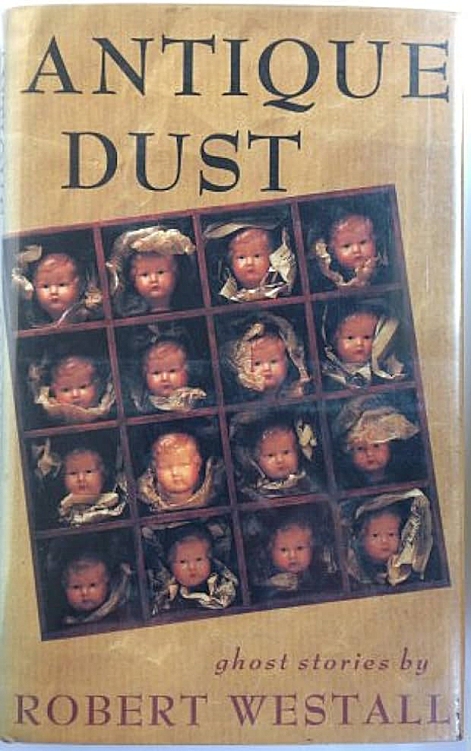
I started this collection of short stories knowing nothing about it or its author. I honestly had no idea how much I was going to love it.
This is about 8 ghost stories in the tradition of M.R. James. The narrator is an antiques dealer who keeps coming across haunted antiques. There’s a Satanic clock, some very creepy dolls, and a pervert in an abandoned church. The narrator here is a bit more worldly than James’ guys.
I read a similar collection of Jamesian ghost stories a few months years ago. A.N.L. Munby’s The Alabaster Hand was enjoyable enough, but I didn’t find it scary. Some of the stories in Antique Dust are quite creepy though, the first two especially. You should definitely read this book.
I wrote the above in December of 2022. It didn’t feel like quite enough for a post, so I decided to read more Robert Westall. I didn’t go near him again for well over a year, but I’ve been dipping in and out of his horror fiction for the last few months, and I have thoroughly enjoyed pretty much everything I read by him.
After Antique Dust, I read 2 “best of” collections, Demons and Shadows and Shades of Darkness. Both were phenomenal. These books came out in 1993, but they were reissued in 1999, and while both editions of Demons and Shadows are the same, the newer edition of Shades of Darkness swapped out 2 stories. I managed to track down copies of both editions.
The Best of Robert Westall, Volume 1: Demons and Shadows
Farrar, Straus, and Giroux (1994) Macmillan’s Children’s Books (1999)
Rachel and the Angel
Girl sees biblically accurate angel. Must find a good soul or there’ll be another Sodom situation.
Graveyard Shift
Starts off with ghosts appearing to cemetery worker, but things get dark when paedo vampire appears.
A Walk on the Wild Side
School headmaster’s cat brings home a kitten. The kitten falls in love with him but then kills robbers in his house and might be a shapeshifter. Some actually scary passages. So, so god damn good.
The Making of Me
Sentimental story about shellshocked angry grandad. Nothing spooky
The Night Out
Biker boys have fun. Not scary
The Woolworth Spectacles
From Antique Dust
A Nose Against the Glass
Long, kinda boring story, about antique dealer who sees pesky child’s face in his window
Gifts from the Sea
Boy goes to granny’s to avoid blitz. Finds cool stuff on beach then a corpse
The Creatures in the House
Weird vampire creature drains women of their minds. One such woman leaves her haunted house to niece, but niece lets a bunch of cats in who fuck creature up. Good story.
The Death of Wizards
Boy saves old man’s life, but old man is wizard. Pays boy back by giving him intimate knowledge of everything around him. Doesn’t want this after trip to supermarket
The Last Day of Miss Dorinda Molyneaux
From Antique Dust
The Best of Robert Westall, Volume 2: Shades of Darkness
Farrar, Straus, and Giroux (1994) Macmillan’s Children’s Books (1999)
Woman and Home
Kid skips school. Goes into weird house that’s actually a ghost’s trap. Good.
St. Austin Friars
Priest moves to new rectory in Muncaster. Seems as though the town is inhabited by vampires
The Haunting of Chas McGill
Boy moves to old schoolhouse in countryside during the blitz and meets the ghost of a soldier who deserted first world war.
In Camera
People find roll of film in antique camera. Contains pictures of a corpse. They track down a man from the pictures.
Fifty-Fafty
Sentimental autobiographical story about author’s family.
The Cats
Old man becomes unwell. His wife starts seeing ghostly cats in their house.
The Boys Toilets
There’s a ghost in the jacks. Excellent story.
Portland Bill (1999)
From Antique Dust
The Bus (1999)
Guy gets on a time travelling bus. Very racist man on board. Wouldn’t get published today. Odd that this was added to later edition of the book.
The Red House Clock (1994)
Excellent story about boy who fixes dead neighbour’s clock to get revenge on landlord
The Call (1994)
Samaritan phone operators get a scary call on xmas night.
The Cat Spartan
Kid inherits his grandad’s cat and house, much to his mother’s dismay
Blackham’s Wimpy
WW2 bomber becomes haunted by a German pilot it shot down.
Valancourt 2015 (First published 1991)
The Stones of Muncaster Cathedral
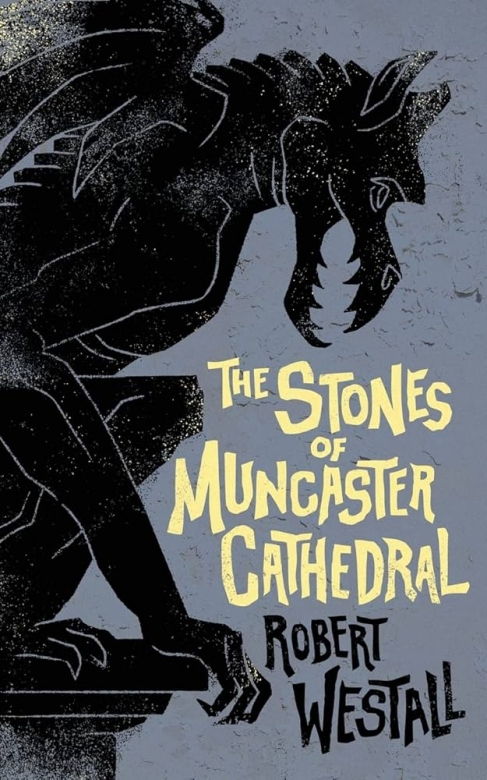
Next up, I read The Stones of Muncaster Cathredal. It’s an excellent tale, and the Valancourt edition has an extra short story thrown in for good measure. This book is well worth a read.
The Stones of Muncaster Cathedral
Something in the tower of a Cathedral is luring children to their deaths. Nothing to do with the other story set in Muncaster.
Brangwyn Gardens
A lad takes a room and finds a woman’s diary.
Valancourt – 2016
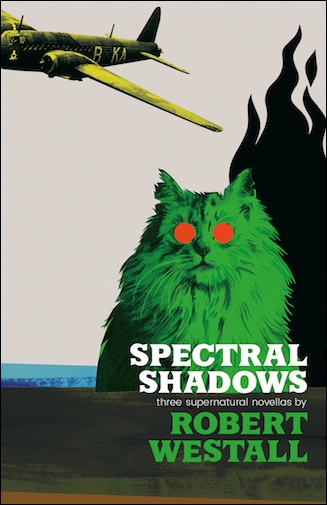
Spectral Shadows
This is a collection of 3 novellas. I thoroughly enjoyed it.
Blackham’s Wimpy
I read this in Shades of Darkness.
The Wheatstone Pond
A pond is drained and old toy boats start showing up. Another mysterious box holding something stinky also shows up. These items are somehow linked to a mysterious house nearby, and it’s up the local antique dealer to solve the mystery. There’s good suspense here, but ultimately, there’s too many threads to the story and it gets a bit silly. Still an enjoyable read. This is definitely not children’s fiction. The protagonist has rape fantasies.
Yaxley’s Cat
A woman rents a cottage for herself and 2 kids. Previous owner was a witch. She finds his stuff. Good.
Honestly, every book I read by Westall was excellent. He wrote books for kids, and it seems like his stuff is labelled as kid’s fiction, or young adult fiction, but in sincerity, these ghost stories are top notch. I think older kids would certainly enjoy them, but they’re not toned down in any fashion. If you like good old fashioned ghost stories in the vein of M.R. James, I don’t think I’ve read anything as good as Robert Westall. Any of these books would be a good starting point, all of them perfect for bedtime reading.
I went a bit mad on books about Charles Manson last year. I remember seeing this book at the time, but I had had a little too much Charlie, so I put it off. Recently, I have been reading about James Shelby Downard, and any amount of research on that chap will bring you to a writer called Adam Gorightly. I was searching for a copy of Gorightly’s book about Downard, and I remembered that Gorightly had written a book about Manson.
The Shadow Over Santa Susana: Black Magic, Mind Control, and the Manson Family Mythos – Adam Gorightly
Creation Books – 2014
Gorightly doesn’t really push any specific theory of what happened, and in truth, there wasn’t a huge amount in here that I haven’t come across before. The Helter Skelter hypothesis is covered, but Gorightly also hints at some of the ideas that Tom O’Neill would later explore in Chaos. Mae Brussell, a name I recently became familiar with during my research on the Gemstone File, popped up a few times in here. She claimed that Manson was a CIA pawn used in an attempt to destroy 1960s counterculture. He was just another patsy like Sirhan Sirhan and Lee Harvey Oswald. At this point I would be surprised by any book dealing in conspiracies that doesn’t somehow drag in JFK.
Gorightly is a Discordian and counterculture kinda guy, and I found the tone of the book to be quite similar to Sanders’ The Family.The Shadow was written at a much later date though, and it includes much on what happened after the trial. It gets into the Son of Sam connection and even the Hand of Death cult that Henry Lee Lucas was a part of. I’m planning to do a detailed post in the future on the Son of Sam/Manson connection. I know that connection is probably made up, but I’ve come across it in quite a few different books now.
Perhaps the most surprising thing about this book was how it made me feel. It was comforting to come back to the Manson case, almost like meeting some old friends for coffee. I’ve been planning to read the revised version of Nikolas Schreck’s Manson book for a while, but now I reckon I’ll save it for the next time I have the blues. The Shadow Over Santa Susana would be pretty good for somebody who didn’t know much about the Manson story, but it was also pretty good for me as a refresher.
When I saw the cover of this book, I knew I’d have to read it. I picked it up a few months ago, but it opens with a quote from another book called Missa Niger: La Messe Noire, and when I looked that book up, I decided to do it before starting on Blood Circle. I read it and wrote a post about Missa Niger, but shortly before publishing it I discovered something intriguing and had to go back to read Blood Circle too.
Sphere Books – 1990
Blood Circle is a nasty horror novel. That cover is not misleading. It’s brutal, sadistic and bloody.
Andrea, a teenage girl, goes to pick some herbs at night, but when she’s out, she runs into a Satanic ceremony where a virgin is being deflowered. Andrea, also a virgin, gets very horny and starts masturbating. Later on in life, she becomes very successful, but the guy who she saw performing the satanic ceremony goes on a killing spree. One thing leads to another and it becomes apparent that they’re going to be reunited pretty quickly. If I go into much more detail, I’ll ruin the story, but I can say that this is extremely nasty stuff. There’s really disgusting parts of this book. Somebody shits on a cross, somebody else fucks their own child, and several people are slowly skinned alive. I was genuinely a bit surprised at how damned unpleasant this book was.
I really dislike when authors use song lyrics as part of their writing. I don’t mean when they use a lyric as an opening for a chapter, although that does suck. I mean when they actually put the words of the song that the character is listening to into their text. It’s such a lame thing to do, and whenever I see it, I assume it’s because the author was listening to that song at the time. Stephen King does this quite often. It’s embarrassing and unnecessary. Bernard King chooses to do this with one of his characters. He has him listening to Vigilante by a band called Magnum. I hadn’t heard this song before, so I checked it out. Terrible. King describes this as “good strong music” and as having a “powerful sound”. Haha. It’s pure shit.
Blood Circle is pretty good. The author clearly had a good idea of what he was talking about. I liked that the ending wasn’t happy, and there were a few plot twists that actually surprised me. The writing was alright, but the book is only 300 pages and it took me a week to finish. It wasn’t one of those “I can’t wait for the next chapter” kind of novels. I’d say you’ll probably enjoy it if you are a sadistic, satanic pervert.
Ok, so let’s get back to this interesting Missa Niger book that’s quoted at the beginning of Blood Circle. Bernard King also thanks the author, one Aubrey Melech, for allowing him to quote from that book and for helping in his research. He follows this with a brief note about how some of the events described in Blood Circle may actually be happening.
Sut Anubis Books – 1986
Missa Niger: La Messe Noire, A True and Factual account of the principal ritual of Satanic worship The Black Mass – Aubrey Melech
This book claims to be the actual script for a black mass. A mere 500 copies were published in 1986, and at that time, the only other printed version of a Black Mass had appeared in Anton LaVey’s The Satanic Rituals. Melech acknowledges this in Missa Niger but claims that his text is more authentic.
From King’s Blood Circle
In truth, there’s not much in here that I haven’t come across many times before. This is a fairly tame rendition of the black mass. It includes blasphemy and desecration of the Host, but it steers clear of human sacrifice. I suppose the one feature that stood out to me was the inclusion of an altar girl. A kid attends the mass, pisses in a cup and then the priest splashes the audience with the wee. Honestly, if I was conducting an infernal ritual, I’d leave this part out.
This is also a very short book. It’s about 70 pages long, but most of these are taken up with the Latin version of the mass with the English translation on the opposite page. It’s the kind of thing you’d easily read in one sitting.
In the introduction, the author claims that he is publishing this text for scholarly purposes and not for people to use. I can’t believe that anyone would be that naïve, but on closer research it seems that his motivation to put this out may have been even more sinister. There are people out there who believe he did it purely to make money!
Bernard King/Aubrey Melech
A Satanic internet nerd (and I mean that with sincere respect and admiration) compared the two texts and wrote a detailed analysis of them. They are supposedly so similar that it seems probable that they either came from the same document or that Melech plagiarized LaVey’s text. This guy goes on to claim that Missa Niger was created and published by Melech (who is just a pseudonym for Bernard King) to coincide with the release of Angel Heart, the movie version of William Hjortsberg’s Falling Angel, a novel about Satanist that features scenes of a Black Mass. He believes that King created the text at the behest of Alan Parker, the film’s director. In The Lure of the Sinister, The Unnatural History of Satanism, the author, Gareth Medway, claims that Bernard King is Aubrey Melech. He says that he confronted King about this and that King said Melech was a Satanic friend, but apparently other people confirmed to Medway that King and Melech were the same person. Medway notes that King is an Odinist rather than a Satanist and suggests that the publishing of the Missa Niger text wasn’t an entirely sincere undertaking. This idea is bolstered by the other books that King put out. Most of his novels are mythological fantasy stuff and his non-fiction books are all about Runes. I was a little disappointed by this. I had hoped that Bernard King was a devout Satanist using his books to spread a doctrine of evil.
I enjoyed reading both of these books, but my favourite part of writing this post was reading the stuff on the Synagoga Satanae website from 2002. I genuinely miss the days of angelfire websites. I only hope that people will be looking back on my website in 20 years time.
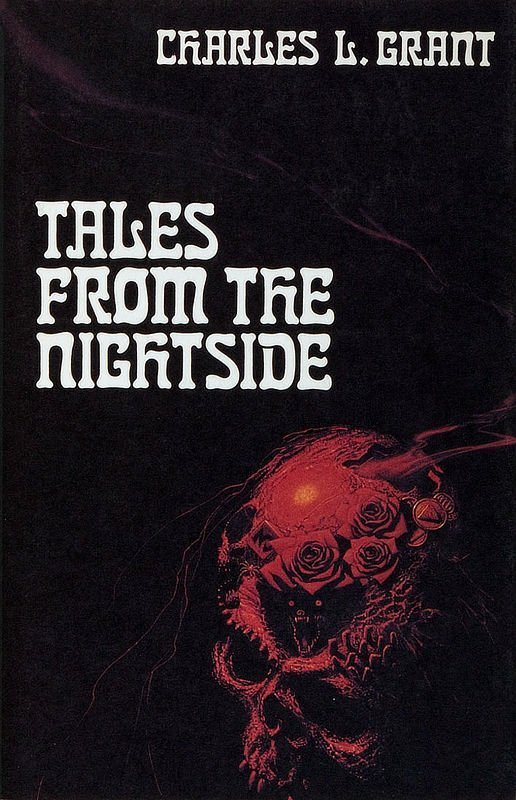
Charles L. Grant was a big name in the world of horror fiction during the 80s. He wrote a bunch of horror novels set in an imaginary town called Oxrun Station, and he edited many (many) anthologies of short stories. I read 2 short story collections by him recently, A Glow of Candles and Tales from the Nightside. When you read about this guy online, you always see people throwing about the phrase “quiet horror”. Don’t let that fool you into thinking this is horror-lite or anything like that. Grant just uses atmosphere quite effectively. It’s quiet in the sense that you won’t often see where the horror is going to come from. In truth, there were a couple of times when the horror was so quiet that it seemed to pass me by, and I was left only in a state of mild bewilderment.
Berkley – 1981Arkham House – 1981
Both books were published in 1981, but I read A Glow of Candles first. It’s actually labelled as “darkening horror” on the cover. Some of the stories in here are more sci-fi or fantasy than horror. I feel like this stuff would fit into the same category as Ray Bradbury’s early stories. The second collection, Tales from the Nightside was published by Arkham House. These stories are more straightforward spooky in nature, and I don’t mean that in a negative sense at all. I enjoyed this collection more. Also, this book has the same cover as one of my favourite albums.
The below are brief summaries of the stories in these volumes. These are mostly for my own reference. Some of the stories appear in both, so I have just included them in the order I read them in.
A Glow of Candles
A Crowd of Shadows
Robot murderer child of real parents is actually real boy of murderer androids parents.
Hear Me Now, My Sweet Abbey Rose
Family goes to Oxrun on vacation. Daughter gets murdered. Ghost returns for a sentence.
Vietnam vet adopts kid. Neighbour kills kids pony. Kid gets neighbour with jungle magic.
The Three of Tens
Pretty good story about a man selling curse boxes at fairground that creates murderous stalker corpse
The Dark of Legends, the Light of Lies
Set in future, a writer tries to write, but people are too educated to read horror fiction so he kills people. Not sure if I got the point here.
The Rest Is Silence
Ghostly stalker murderer in Oxrun. Kills journalists friends
White Wolf Calling
Kid across the road has werewolf parents
A Glow of Candles, a Unicorn’s Eye
An actor kills some directors and goes on the run because drama is dying. Futuristic sci-fi that isn’t really sci-fi. Very similar to the art story beforehand. Not good.
Caesar, Now Be Still
Principal not happy with teachers thing on Julius Caesar. Teacher decides to quit, but then turns into vampire?
When All the Children Call My Name
Good story about an ex-cop who starts working at a playground where really weird killer kids play.
Secrets of the Heart
Car crash victims arrive at house of psychic magic child. Also psycho. Kills them.
Tales from the Nightside
Coin of the Realm
Toll booth workers are depressed and summoned by Egyptian god of death
Old Friends
An abused child makes friends with the darkness in the cellar where he is punished.
Home
Weird neighbour has little darlings (creepy child monsters) who eat pets and people. Reminded me of another story by this guy. (When All the Children Call my Name)
Night of Dark Intent
Reporter goes to seance for a story but the people there turn out to be dead zombies
If Damon Comes
Weird neglected kid comes back from the dead
The Gentle Passing of a Hand
Crippled kid wants to become magician but his sleight of hand tricks kill and reanimate people
From all the Fields of Hail and Fire
Creatures are coming out of the ground and setting fire to houses and kidnapping children. Local child takes matters into his own hands
The Key to English
Kid is uncomfortable at creepy school. Breaks into storeroom and finds the schools staff secret
Needle Song
Old woman plays music that drains neighbours of happiness. Some kind of vampire
Something There Is
A horror writer cant find his muse. Too airy fairy. Not much plot
These stories were pretty good. I’m not going to rush out and read more Charles L. Grant, but I definitely won’t rule out coming back to him in the future. The main reason that I don’t want to check out his novels is that they’re mostly set in the same place, and I reckon if I were to read one of them I’d have to commit to reading the rest. While I haven’t read any other Grant, I read one of his wife’s novels a few years back.













 Nocturnal Revelries