I first encounered the writing of Ray Garton in the first Splatterpunks anthology. It contained a chapter that had been from his book Crucifax, presumably for being too edgy. It had a dead baby in it or something, and I wasn’t terribly impressed. Years later, I read that his vampire novel, Live Girls, was considered a classic in the field, so I sought it out and gave it a read.
Live Girls
Futura – 1987
Yeah, this is pretty good. There’s a peepshow in New York city where beautiful vampire women dance in glass boxes. There are gloryholes in the walls, and when the men stick their dicks in, they get a toothy blowjob that satisfies both their lust and the vampire’s hunger. There’s also a basement full of hideous mutants. This part isn’t explained properly. We’re told how they became mutants but not why they’re trapped in a cellar. As far as I’m concerned, the fact that they’re mutants is a perfectly good reason for them being kept in cellar. This is not high literature, but it’s fast paced and enjoyable. It’s also quite of its time (1987). The following passage had me laughing:
“He thought he was being raped by a homosexual.” he added. She put her whole hand over her mouth and her eyes crinkled as she tried to hold the laughter in.
I can’t imagine those lines appearing in a modern novel.
Night Life
Subterranean – 2005
I waited a week and then read Night Life, the sequel to Live Girls. This was written almost 20 years after the first book. It features many of the same characters, and while it was decently entertaining, it just wasn’t as good as the first book. It’s one of those sequels where the author tries to rewrite new versions of all of the memorable parts of the first book. The vampire hideout in this one is a hotel rather than a peepshow, but the hotel also features a basement full of mutant freaks. There’s more rape in this one too, and it felt a bit vulgar. The rapists in the first book are female vampires. There’s an interesting element of subversion there. Not so in the sequel. I don’t want to come across as a prude here because I willingly read a novel by a writer who was known as a first generation splatterpunk, but the innocent woman being forced into an anal rape gangbang with 13 vampires was a bit silly. The ending was a bit abrupt, and I felt like Garton left it open with the plans to maybe write a third book in the series. Unfortunately, he died last year, so we’ll never find out what happens next.
If you’re going to read Live Girls (and I recommend that you do), you should probably read Night Life too. It’s not as good, but I did actually enjoy reading it. I am probably going to go back to read Crucifax soon.
You may not know this, but Tuesday is Canada Day. People in Canada get the day off work to clean their moose and harvest their maple syrup. I’ve done a few posts on Canadian stuff in the past (a Canadian ghost, a Canadian cult, Canadian mind control…), but the most infamous title of “Canadian” horror has long eluded me. I recently got my hands on it, and I thought this would be the perfect time to share it with you.
Otto Frederick’s Count Dracula’s Canadian Affair
Pageant Press – 1960
I don’t remember where I heard of this book, but on reading the title, I knew I had to track it down. A small amount of research on this book will show that it gained some of its infamy after appearing as number 3 in R.S. Hadji’s list of 13 Worst Stinkers of the Weird in the June 1983 edition of Twilight Zone magazine.
Count Dracula’s Canadian Affair is a lot harder to track down than some of the other titles on this list. This is likely because it was printed by Pageant Press, a vanity press. Vanity presses were companies that would print books at the expense of the author, so it is hard to imagine that more than a few thousand copies were ever printed. The author was a clerk for the airforce living in Ohio, and he had 2 kids and a wife, so I doubt he had enough money for a huge run of hardbacks.
There’s also something infinitely collectible about this book. It’s rare, it sounds peculiar, it’s infamously bad, and it’s set in Canada. What self-respecting Canadian connoisseur of horror fiction could sleep easily without a copy of this book on their shelf? I’m not Canadian, and I literally spent years trying to track down a copy. I’m not exaggerating. Years.
I found a copy online a few years back, but it was a little more than what I was willing to pay. It disappeared soon thereafter. A few months back another copy appeared, but it was twice the price of the previous copy. I bought it anyways. It is by far the most expensive book I’ve bought, but I had to have it. I simply had to.
I read it last week. It is indeed very shit.
A brother and sister and their uncle move to the Canadian wilderness where their father has been given some land. They make friends with some local lumberjacks and then spend a few months turning an old logging cabin into a lakeside home. Unfortunately, a weird man in a military uniform keeps sneaking into their house when the men are away and assaulting the girl. She doesn’t really put up any resistance. If this was a better book, it would describe how she wasn’t sure if these visits were real or a dream, but the author isn’t that competent, so it just seems like getting raped doesn’t really bother her. She manages to keep it a secret, but when the family’s horses go missing, the men realise something is up. It turns out that Dracula is living on an island in their lake, disguising himself as a soldier.
The book ends shortly after this. There are no details given on how Dracula made his way to Canada or where he goes after the settlers chase him away.
Otto Fredrick
I believe that this was the author’s only book. I’m not surprised. He was not a good writer. This is more a moderately boring adventure novel than a horror novel, and the addition of Dracula to the plot seems forced and bizarre. It’s pretty short though, and I read it in 2 sittings, so the frustration and disappointment didn’t really hit me until after it was over. The elements for a decent novel were all here, but this mostly felt rushed and poorly thought out. If you’re expecting the Trailer Park Boys but with vampires, you’re in for disappointment.
Was this objectively terrible book worth the ridiculous amount of money that I paid for it? Reading it was not a particularly exciting experience, but seeing my copy on my bookshelf is priceless. There’s another copy available on Ebay now. Go and buy it, you coward.
It’s funny. A few years ago I did a post on Barry Hammond’s Cold Front, referring to it as “Canada’s rarest horror paperback”. It was recently republished, so it has definitely lost this title. Count Dracula’s Canadian Affair isn’t a paperback or truly Canadian, but surely it is now the rarest work of Canadian horror fiction! Unfortunately, I find it hard to imagine this one ever getting republished. Happy Canada Day!
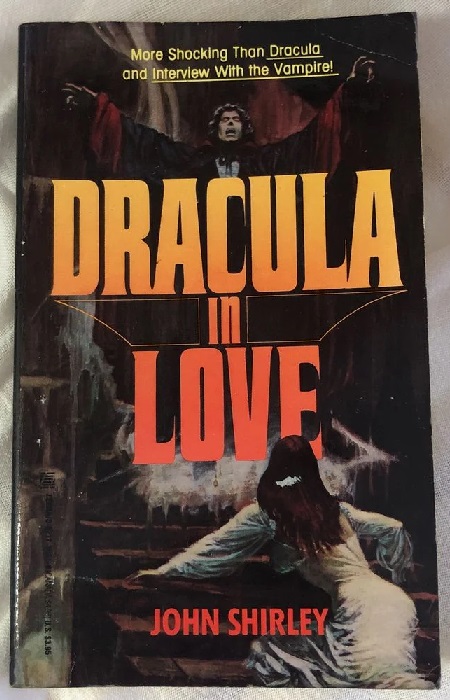
I can’t remember the last time I enjoyed a novel less than I enjoyed Dracula in Love. I started it during the hectic last week of my summer holidays and finished it over a nasty bout of jetlag, and I’m sure these circumstances had something to do with me struggling to get through more than a few paragraphs at a time. Also, I got through a fair bit of the text with an audiobook from Encyclopocalypse. I love when publishers put out old books like this as audiobooks, but the narrator did silly voices for each character, and that really annoyed me. To be honest, a lot of things have been annoying me recently.
Zebra – 1990 (First published 1979)
Lucifer visits Dracula’s son (His name is Vlad Horescu. Sounds a lot like that guy who wrote that other book on Dracula, doesn’t it?) and asks him to help trapping the King of the Vampires. Dracula rapes a few women with his demon cock and inspires rape waves wherever he goes. It turns out he only got back in touch with his son because Vlad Junior is high up in a computer company and is capable of hijacking software that will give Dracula enough influence over the economy and politics of Brazil that he will be able to become an Emperor there. His plan is foiled when he is sucked into Lucifer’s giant vagina.
On the plus side, this is gory and gross and features sentient genitalia. Unfortunately though, the plot is confusing, the characters are unlikeable, and the whole thing is overwritten. I have a high tolerance for crap, but I really had to force myself to get through this one. In fairness, the author was only 18 when it was written, so maybe his other books are better. It’ll be a while before i get around to them.
I first heard of this book a long time ago. The title and extremely childish cover were alluring, but copies were always that little bit too expensive for something that was probably awful. None of the reviews I read made me want to splash out either. I got my hands on a cheap copy recently, and I was pretty excited to get going.
A quick glance through this blog will prove that I have read my share of terrible books. It’s quite a feat to truly disappoint me. In truth, I think that The Last Days of Christ the Vampire might deserve the title of the worst novel I have ever read.
This is anarchist fiction. I’m not an anarchist, but the fact that this book espouses anarchy is not what made me dislike it. The writing here is unreadably poor. It’s like J.G. Eccarius never once considered the fact that novels are supposed to be entertaining. There is a plot here, but the story is so poorly told that it made it very difficult to figure out what was going on. There’s no focus on any specific character, and cast of characters is huge. To make matters worse, some characters change their names throughout the story. The writing itself is bad, and the plot construction is pathetic. This book is unbearably boring.
So Jesus was actually a vampire, and he is still alive today. There are a gang of vampires (including Simon Magus and Aleister Crowley) who have a hand in controlling world affairs. Some MaximumRocknRoll reading punk-rockers decide to put an end to this, so they go to Jerusalem to go vampire hunting. This all ends in a massive attack against the Pentagon.
That summary makes this book sound pretty good. A barely competent writer could have made this into something enjoyable. Unfortunately, the above paragraph contains all of the interesting parts of the book. The author chooses to pass over everything cool about a vampire Jesus and spends his time trying to promote an incredibly naïve political agenda – there’s no chilling descriptions of Jesus drinking his victim’s blood, but there are many paragraphs about mailing anarchist zines. I bet the author wore a bumflap. The action sequences are excruciating. This is awful fiction. It stinks. I wanted to give up, but I forced myself to finish it. Piece of shit.
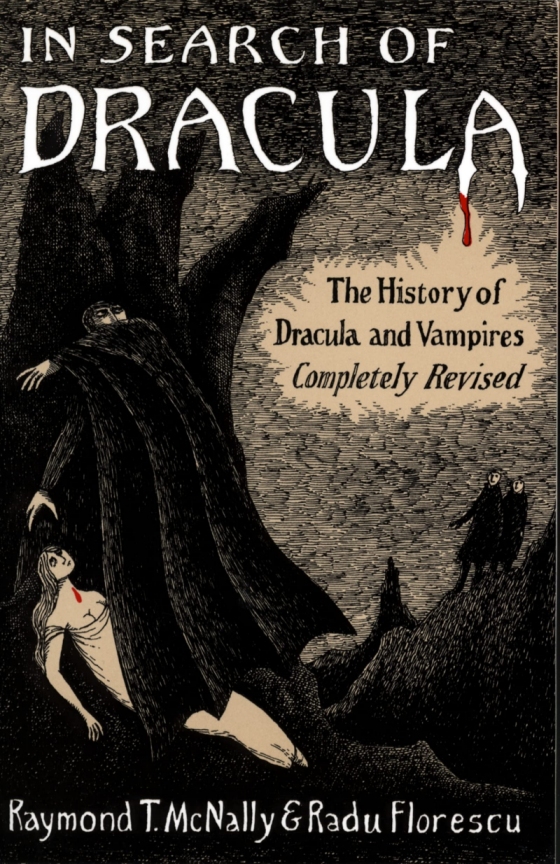
In Search of Dracula – Raymond T. McNally & Radu Florescu
Houghton Mifflin – 1994 (First published 1973)
I “reviewed” Bram Stoker’s Dracula on this site about 8 years ago when I was starting out as a blogger, but it was at least 7 years before that that I actually read the book. I’ve been meaning to reread it for a while now, and I thought I’d do a bit of background research beforehand. While reading Ken Rayner Johnson’s Zoltan, Hound of Dracula, I came across a quote from Raymond T. McNally and Radu Florescu’s In Search of Dracula. I had heard of this book somewhere before, and I decided to read it. I found a copy last week and gave it a go.
This book is supposedly the text that popularised the idea that Stoker’s Count Dracula was based on Vlad the Impaler, the historical Voivode of Wallachia. I’ve always assumed that this was common knowledge, but apparently not. When I was a kid, I had a book about torture methods, and it had a small piece on Vlad. This is probably where I first heard of him, and the accompanying image (see below) ensured I never forgot about him. Vlad was a really bad dude, and he was known as Dracula, but it is uncertain how much of an influence he actually had on the Count’s personality. Stoker does actually reference him a couple of times in his text, but he never mentions his heinous acts. It’s not certain how much he actually knew about Vlad, but it is safe to assume that he did use his name deliberately. Dracula means Son of the Dragon.
This image is from Jim Hatfield’s Horrible Histories: Guilty, not In Search of Dracula.
In Search of Dracula is basically a biography of Vlad Dracula with a few chapters on Stoker and vampires at the end. I read the revised 1994 edition (the original was published in 1973), and I skipped big chunks of the chapter on Vampire fiction and movies. (I don’t want to ruin the endings of books I’ll hopefully read some day.) The bibliography is extensive here too. There’s almost 100 pages of appendices after the main text of the book. My favourite parts were the translated first-hand sources on Dracula. These were the bits containing the most grisly details of his cruelties. My favourite part was when he saw a farmer wearing a shirt that was too small. He calls the guy over and talks to him. On discovering that the man is an illustrious, hard-working fellow, he has his wife impaled on a spike for failing to provide her husband with a fitting shirt.
Another time, Vlad “caught a gypsy who had stolen. Then the other gypsies came to him and begged him to release him to them. Dracula said, “He should hang, and you should hang him.” They said: “That is not according to our custom.” Dracula had the gypsy boiled in a pot, and when he was cooked, he forced them to eat him, flesh and bone.” Later on, he gathers all the sick and unemployed people of a village into a building with the promise of a delicious meal. Then he locks the doors and burns them alive. Psych!
I’ve been on a non-fiction kick recently, and this book, while boring at times, was quite refreshing. The authors were actual academics, and they provide proper evidence for their claims. It was nice to read a non-fiction book about vampires that wasn’t utterly ridiculous. The last one I read was terrible.
I also watched the documentary based on this book. It was shockingly boring. It’s just Christopher Lee slowly reading some of the sentences from this book over footage of Romanian peasants dancing. Avoid it if you can. It adds nothing to the book.
I can’t remember why I tracked down a copy of this book, but I did.
Some of Your Blood starts off with a soldier named George Smith being sent to a mental hospital for attacking one of his superiors who read his mail. It is not immediately clear what the letter said, but George’s background is recounted, and it’s hard not to feel bad for the guy. The rest of the book is about George’s doctors trying to decide what to do about him.
This is generally classified as a horror novel, but there are no supernatural elements to it. I was expecting somebody to get bitten by a Dracula for the first third of the book, but things didn’t seem to be heading that way. I would have gotten impatient if the story wasn’t set up the way it is. Sturgeon does a really good job of dropping just enough loose ends to keep things exciting. Also, I quite enjoyed the references to Psychopathia Sexualis.
I’m not going to be able to say much more about the story without giving away the (already kind of obvious) ending. I knew nothing about the book when I read it, and I reckon it will be more enjoyable for people in this situation. While this is not a supernatural horror novel, it is a dark, violent and probably disturbing book. It’s pretty short too. I liked it. Give it a go.
I’m a big fan of horror fiction. A quick browse through this blog will show you that I don’t really limit myself to any specific subgenres. Halloween and horror are inextricable, but I feel like certain types of horror are more Halloweeny than others. It’s just my personal opinion, but I feel like Halloweeny horror should contain an element of fun. The following is not a list of the scariest books I’ve read. It’s a list of horror novels that both trick and treat, books that will make excellent reading while you’re stuffing your face with the candy that you didn’t give out on the evening of the 31st. These are my recommendations for a good Halloween read.
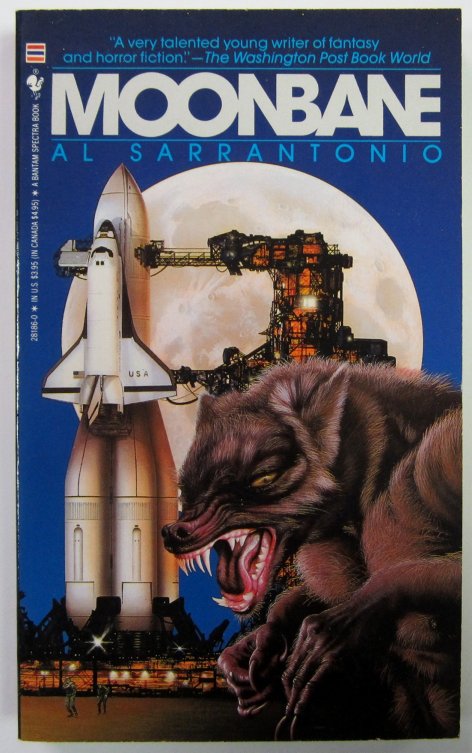
Al Sarrantonio has written several books about Halloween, but I haven’t read those yet. I read 4 of his other books last year, and Moonbane and The Worms were the most enjoyable. They’re quick, fun reads, perfect for Halloween. One is about werewolves, and the other is about… worms. Even thinking about these makes me want to read more Sarrantonio.
I’m going to take it for granted that my readers are all familiar with H.P. Lovecraft. I read quite a lot of the extended Cthulu Mythos over the last 2 years, and aside from Howard’s own stories, I think my favourite Lovecraftian pastiche is Frank Belknap Long’s The Horror from the Hills. You wouldn’t need to be big into Lovecraft to enjoy this on its own either. It’s imaginative, exciting and a lot of fun. I’m pairing this with T.E.D. Klein’s Dark Gods as that contains a short story called ‘The Black Man with a Horn’ that features Long as its protagonist and parralels The Horror from the Hills in interesting ways. The other stories in Dark Gods are top notch horror writing. So, so good. (Klein’s The Ceremonies is phenomenal too, but it’s set in summer, so doesn’t really fit in with these Halloweeny vibes.)
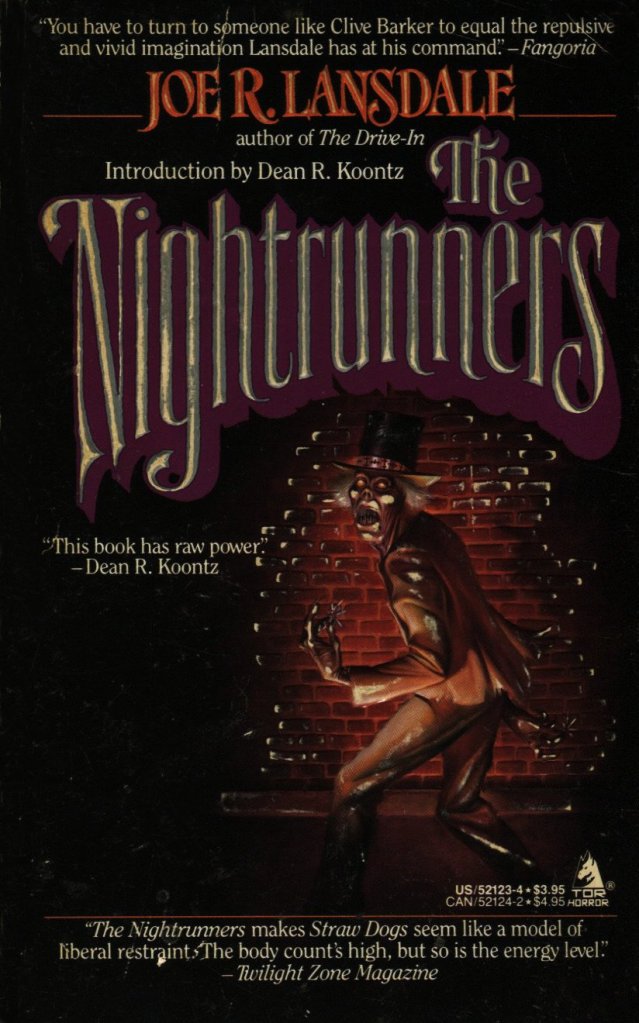
I read quite a few Joe R. Lansdale books this year, and my favourite was definitely The Nightrunners. This is a horrible, violent story, but Lansdale’s style of writing is so easy to read that the book feels like fun. Lansdale’s The Drive-In books are fun too, but not quite spooky enough to recommend here.
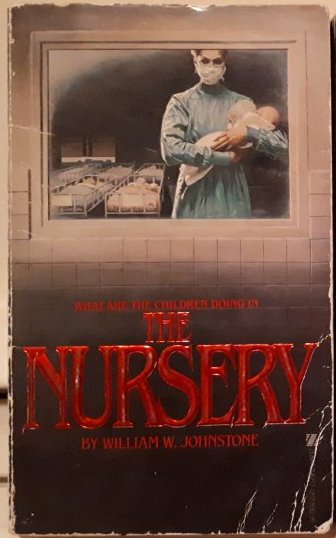
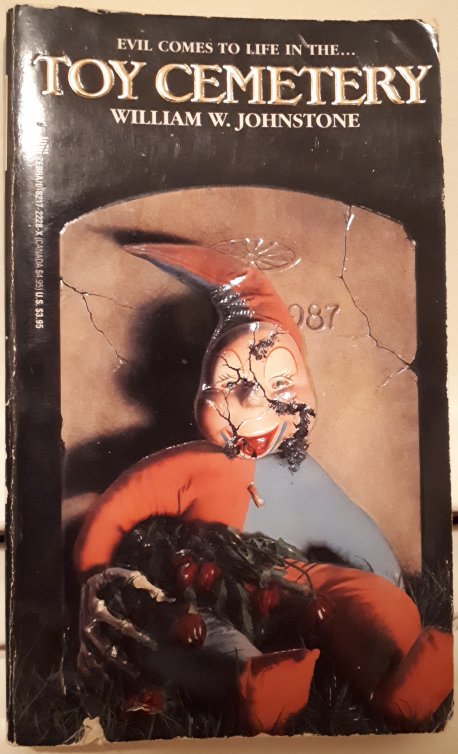
These William W. Johnstone novels are not good books, but the horror elements at play within these novels are so over the top that I found them rather enjoyable. These are definitely “Paperbacks from Hell”, and if you’re into ridiculous horror B-movies, you might enjoy these. They’re utterly mental though. Seriously. Imagine an x-rated episode of Are You Afraid of the Dark directed by a Ted Nugent who’s high on crack and you might get an idea of what these books are like.
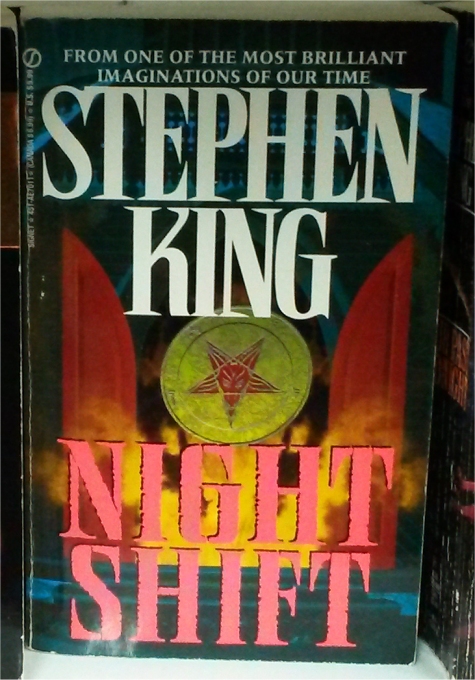
I know he’s an obvious choice, but let’s be real. Stephen King. You understand. I reckon Salem’s Lot and his short stories would be the best for this time of year. It’s probably that I’ve been conditioned to think this since childhood, but Stephen King’s fiction is exactly the kind of thing that I want to read at Halloween. Gross, creepy fun. Perfect.
Ray Bradbury is another obvious choice. His books are less trashy than the others I’m discussing here, but they definitely have the fun element that is key to good Halloween fiction. Something Wicked This Way Comes is an all round awesome book, and it’s set at Halloween. His most famous collection of short horror fiction is called The October Country. These two books are absolutely mandatory Halloween reading. He also wrote a kids book called The Halloween Tree. Bradbury is great.
I’m not going to recommend Dracula or Frankenstein here for a couple of reasons. You already know they exist, but both are also quite serious books. Varney the Vampire, which predates Dracula by about 50 years, is not a serious book. It was serialized over the course of two years, and it’s absolute trash. Characters disappear and turn into different people, the chapters are out of order, and it’s so long that it contradicts itself on several plot points. Despite all this, I found it very enjoyable. It’s bloody long though, so you’d better get started soon if you want to finish by Halloween
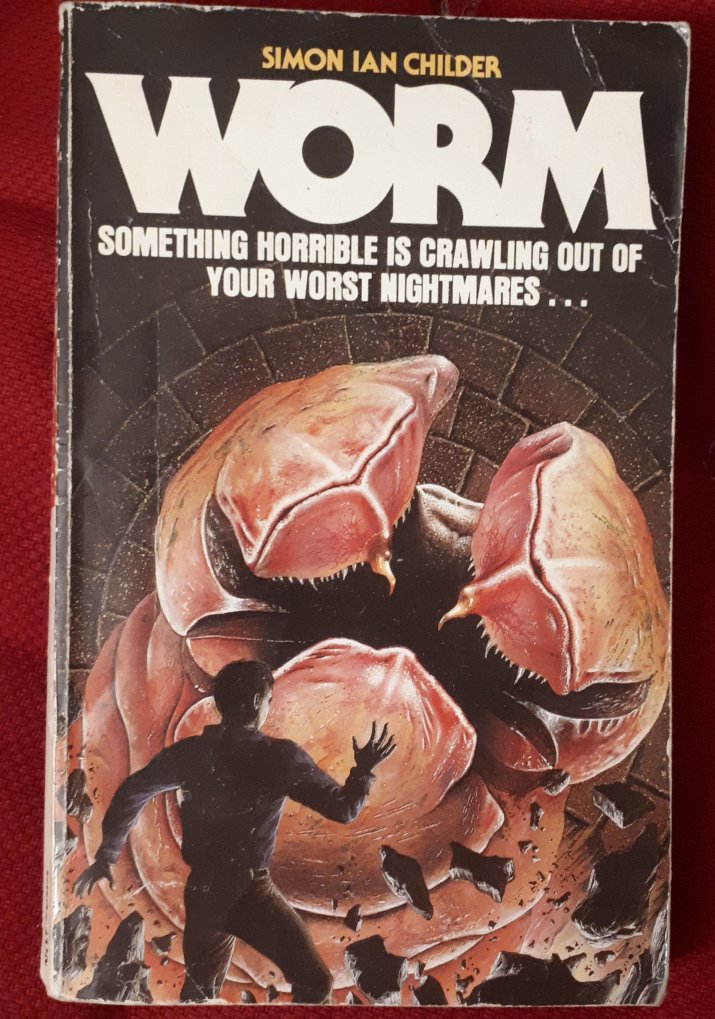
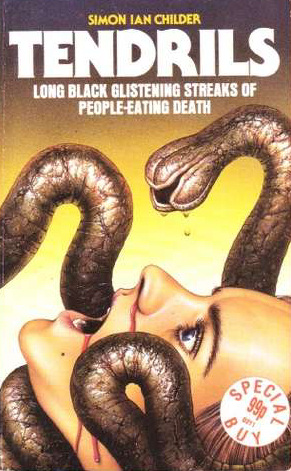
Pretty much anything by Harry Adam Knight/Simon Ian Childer would be great for Halloween. Both Harry and Simon were pseudonyms used by John Brosnan and Leroy Kettle. The books they wrote together under these names are trashy, gross out horror novels that are supremely entertaining. I absolutely loved these books. Slimer and Worm were my favourites. Classic stuff.
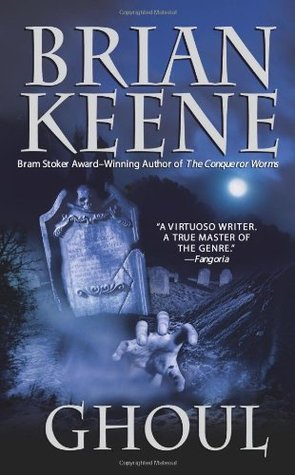
Michael Slade’s Ghoul is a horror novel with a Lovecraftian tinge about a murderous hard rock band that lives under a graveyard. It’s pure trash. I loved it. I read Brian Keene’s Ghoul last year too. It’s also about a creep that lives under a graveyard, and it too would make for some fine reading on a chilly October’s eve.
A few years ago, I chose my October reading based on the amount of pumpkins the books had on their covers. This was an awful idea. (The only decent book I’ve read with a pumpkin on the cover was the original Halloween novelisation.) Pumpkins are good, but they’re not enough. A good Halloween novel should be fun to read. The books listed in this post are easily digestible, super entertaining horror fiction that do a good job of encapsulating the fun and fear that make an enjoyable Halloween. Hopefully this post will help some indecisive readers find something juicy for All Hallow’s Eve. If you have any recommendations on exciting horror fiction, please leave a comment and let me know.
The Light at the End – John Skipp and Craig Spector Bantam – 1986
Last Thursday, I was sitting in bed after a stressful day’s work, trying to read a dense Thomas Ligotti story. I read the first paragraph about 3 times then gave up. I like Ligotti, but he’s not easy reading. I needed something a little less demanding. I flicked through my kindle and settled on The Light at the End by John Skipp and Craig Spector. Part of the reason I chose this one was that I thought it was a short novel, maybe 180 pages. Also, I knew that this book is often heralded as the first splatterpunk novel. The splatterpunk I’ve read has all been pretty straight forward, so this seemed like a good choice.
First off, it’s not short. Paper copies of this book run to almost 400 pages. I was a bit annoyed when I realised this, but I was already invested, so I plowed through.
Otherwise, this was pretty much what I expected; vampires in New York. There’s lots of violence and dated/cringey pop culture references. (There’s a section in which one of the characters paraphrases a scene in The Shining.) I think that I would have enjoyed this book a lot more if I had been younger when I was reading it.
Also, while I’m sure that the authors did not intend this book to be homophobic, there’s something about the nonchalant way that the characters make fun of their gay friend that will probably rub a lot of modern readers the wrong way. The guy who is getting made fun of is one of the good guys, and everyone actually likes him, but he is repeatedly called a faggot by his coworkers. He’s not integral to the plot and clearly only included for comic relief, and this made the playful abuse he suffers a bit uncomfortable to read. This book was written in the 80s though, and it ultimately depicts the gay characters as likeable, useful members of society, so I don’t think it’s time to retroactively cancel Skipp and Spector.
So, yes. This book reads like it was written for 1980s teenagers. It’s a bit dumb and quite dated. However, I think I already mentioned that I only read this because I needed something easy to digest before bed, and I have to admit, this did the trick. It’s pretty much exactly what I was looking for. I had previously read Skipp and Spector’s The Scream, and I reckon that The Light at the End is actually a better book. Yeah, there’s still too many characters, but this one has a more focused story line. I’m not going to rush out to read more Skipp and Spector collaborations, but I’m definitely not going to write off the ones I already have on my shelf/kindle.
When it comes to paperback horror, I am a sucker for silly covers and titles. This leads me to reading some utter garbage. Left to my own devices, I have chosen to read books about evil fish, an evil suit and an evil spring. Fortunately, there are lots of people out there who know the horror genre far better than I do, and 2 years ago, a bunch of them got together to put out a series of then out-of-print horror classics. The first wave of Valancourt’s Paperbacks from Hell series convinced me that there are gems out there waiting to be discovered, and I was delighted to allow that prestigious publisher curate my reading with their second wave from Hell.
The Pack – David Fisher Originally published – 1976
Of the 13 Paperbacks from Hell that Valancourt has put out, only two of them fall into the ‘Animals Attack’ subgenre. (Maybe 2 and a half if you count sasquatches as animals.) I’m not hugely interested in this particular brand of horror, and when I started reading The Pack, I was a bit surprised to discover that like The Nest, the series’ other bad animal book, this book is also about a group of animals that don’t usually attack people attacking people on a small island off the coast of the Northeastern United States. This time it’s abandoned dogs rather than mutant cockroaches, but the results are pretty similar. It was a bit harder to dislike the antagonists in this one. What kind of piece of shit would abandon their puppy? I thought The Pack was a pretty good read overall.
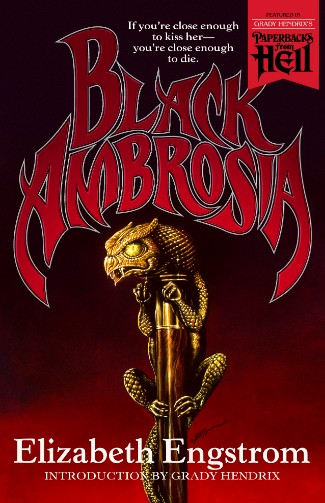
Black Ambrosia – Elizabeth Engstrom Originally published – 1988
I really liked Elizabeth Engstrom’s When Darkness Loves Us and I was looking forward to reading Black Ambrosia. I absolutely loved the first half of the book, but I was getting kinda bored by the end. It’s about a girl who realises she’s a vampire. Not a bad book, but a little drawn out. From what little I have read, Engstrom’s writing seems better suited to novellas, but I’m probably wrong, and I would gladly read more of her if anyone has recommendations.
Nest of Nightmares – Lisa Tuttle Originally published – 1986
This is the series’ only short stories collection. My immediate response to finishing the first story was to utter to myself, “That’s fucked up.”… always a good sign. One story, ‘The Memory of Wood’, really creeped me out. It’s about a family who buys a haunted box at a yard sale. The family is pretty similar to my own, and I couldn’t help but imagine it happening it to us. CREEPY.
Nightblood – T. Chris Martindale Originally published – 1990
When I first read Paperbacks from Hell, I made a list of all the books in it that I absolutely needed to read. This was the only one on that list that was also reissued by Valancourt. I’ve seen this described as Rambo meets Salem’s Lot, but I thought it has a certain amount of Home Alone in it too. A heavily armed, mentally unstable Vietnam veteran arrives in a town with a serious vampire problem. This was a bit like reading a William Johnstone horror novel only it was more focused and better written. It felt drawn out towards the end, but it was good fun overall.
Let’s Go Play at the Adams’ – Mendal W. Johnson Originally published – 1974
I felt so strongly about this book that I did a separate post on it here. More of a Paperback like Hell really. Truly horrid.
The above novels made up the second wave of Valancourt’s series. I was originally going to do the third wave in a separate post, but there’s only 3 more, so I decided to throw them in here.
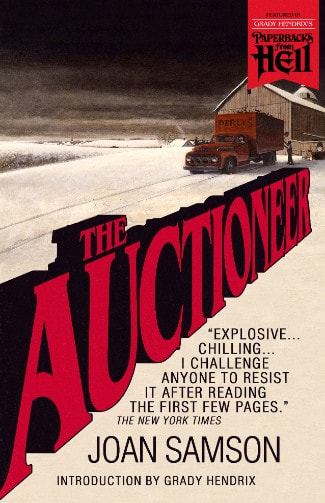
The Auctioneer – Joan Samson Originally published – 1975
A lad moves into a small country town and starts holding auctions. He gets the stuff he sells from the local townspeople. They quickly lose their say in what he takes from them. This was quite a strange book, and I still feel like I haven’t made up my mind about it a few weeks after reading it. It’s an extremely tense and suspenseful read. I’ve seen people describing it as the greatest book about “groupthink” ever written, but while I have no illusions about the frailty of human beings’ abilities to think and act for themselves, I felt that there was something else going on here. It’s not just that the townspeople are too weak and afraid to stand up for themselves; there’s also something diabolic about the auctioneer. He’s a real bad dude.
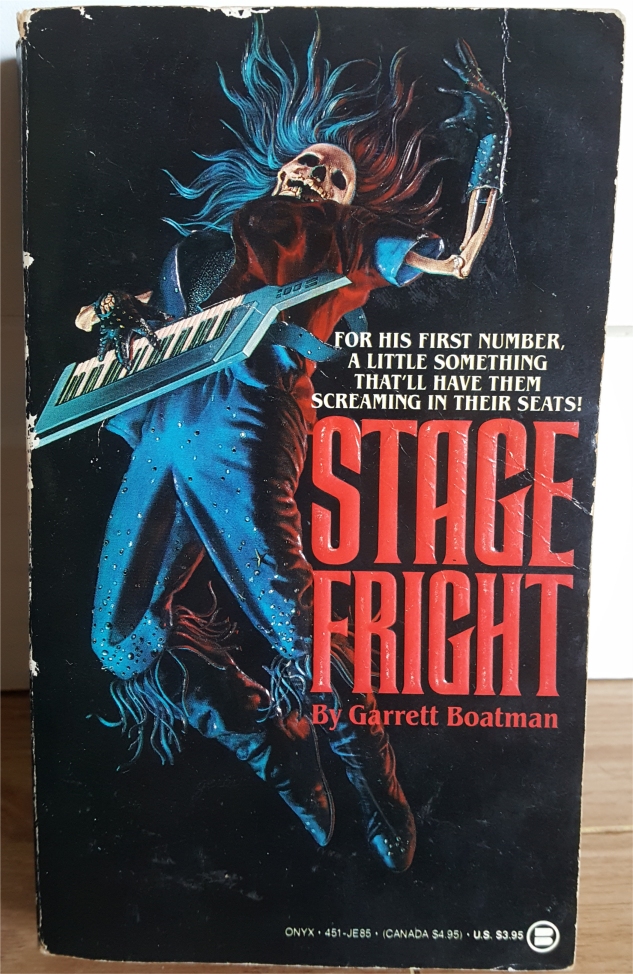
The original
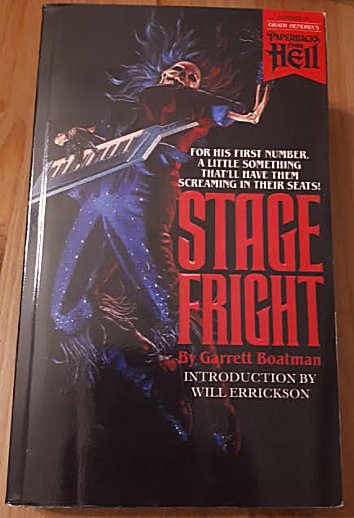
Signed by the author!
My two copies of Stage Fright
Stage Fright – Garrett Boatman Originally published – 1988
I have written about this book extensively. Here is my original review, and here is my interview with its author. The fact that my interview is mentioned in the introduction to the new edition brought a tear of pride to my beady little eye.
Familiar Spirit – Lisa Tuttle Originally published – 1983
This might be my favourite book in the series. It starts off with a girl being attacked by a demon that she has summoned. The first chapter is exactly what I was afraid of happening to me when I started reading and collecting occult books. This is an occult horror novel, but as with the other Lisa Tuttle book in this series, it also features good writing and characterization. It’s as much a story of the end of a relationship as it is a ghost story. This one was really good, and I am already planning to read more of Lisa Tuttle’s books in the future.
I probably could have milked this for 6 separate posts, but these books are hot stuff at the moment, and you’ll find them discussed on lots of other sites. They’re really great. I recommend them to anyone who likes reading. The only downside is that this series might make people think that all “Paperbacks from Hell” are of this quality. Not true. These are forgotten masterpieces that should never have been out of print. This publisher has put out plenty of other great horror too, and I’ve enjoyed all 30+ of the Valancourt books that I’ve read in the past year. Go to their site and buy some books so they can keep republishing books that I want to read.
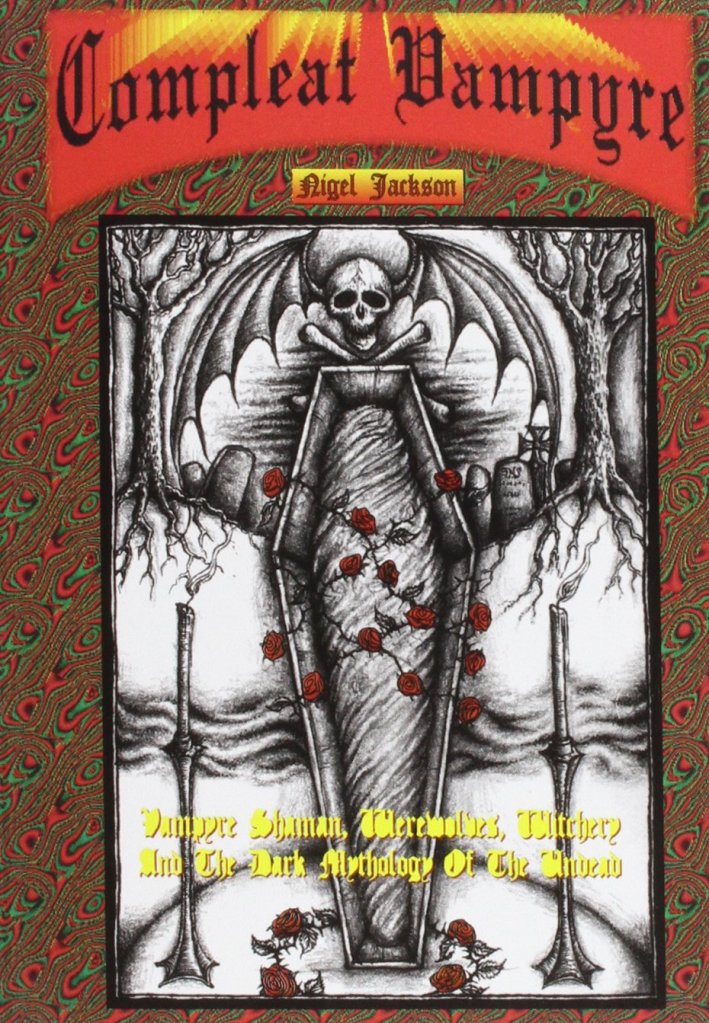
Compleat Vampyre: The Vampyre Shaman, Werewolves, Witchery & the Dark Mythology of the Undead Nigel Jackson Capall Bann – 1995
A few months ago I put out a call for occult book recommendations. I haven’t been as interested in occultism for the last year, and part of me thought that this was from overdoing it over the past few years. I was kindly recommended this book by a pal of mine. It looked pretty cool, so I decided to give it a go.
It’s rather dense, and despite its subject matter, I thought it was very dry. It’s only 180 pages, but it took me a month and a half to get through it. I didn’t take notes as I read through it either, so I don’t even remember much of what the author said in the first half of the book.
This seems like a thoroughly researched book, but the writing does not seem to be very critical. Most of the book is taken up with descriptions of vampires and werewolves from folklore, but the idea that these accounts might not be real is never really discussed. I’m not saying Nigel Jackson believed every word in this book, but he doesn’t do a very good job of clarifying which parts the reader is supposed to believe and which parts are just legends.
Ultimately though, this is presented as a book on occultism rather than one on folklore. Towards the end of the book, the author does give some instructions on how to shapeshift into a werewolf, but these instructions are pretty vague, and one would have to have a detailed knowledge of occultism and ceremonial magic to be able to pull them off.
The most interesting claim in the whole book is that the mysterious large cats seen throughout the English countryside (the ones discussed at length in The Goblin Universe by Ted Holiday) are actually transformed witches and wizards.
Honestly, I couldn’t give a bollocks. I have so little to say about this that I feel bad for wasting your time. I read the whole thing, but reading it felt like trying to paint water. I’d reread the same paragraph 3 times, but I was so uninterested that nothing would stick in my head. “Vampires, shadows, liminal… bleh bleh bleh.” Whatever. I’m not really qualified to judge a book like this. Maybe it’s great if you’re interested in this stuff. I certainly amn’t. I won’t say I’ll never read another occult book, but I doubt that I’ll ever get back into reading 2 a week like I was doing a few years ago.


















 Nocturnal Revelries